Caccine
by Giovan Battista Foggini, with variations
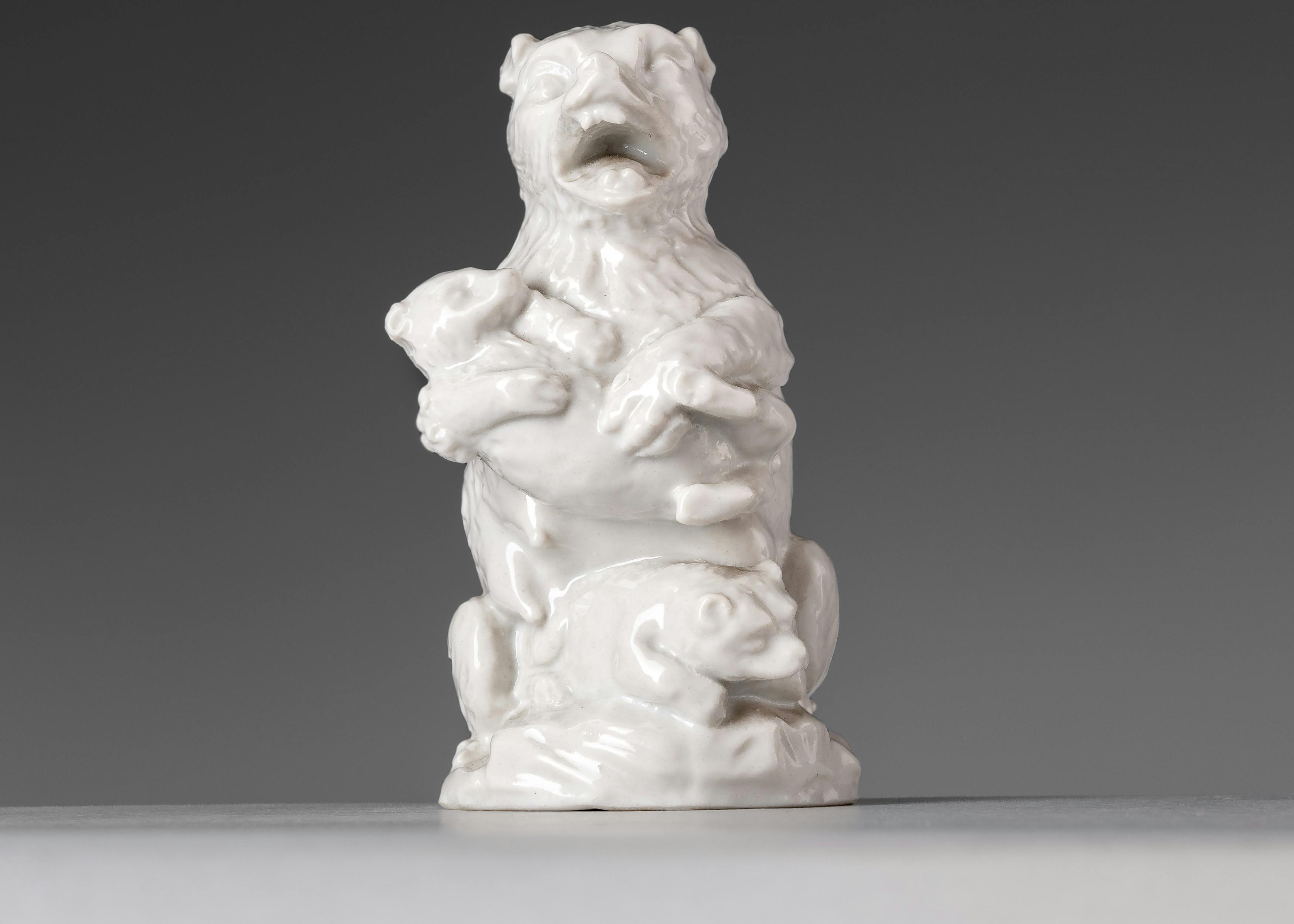
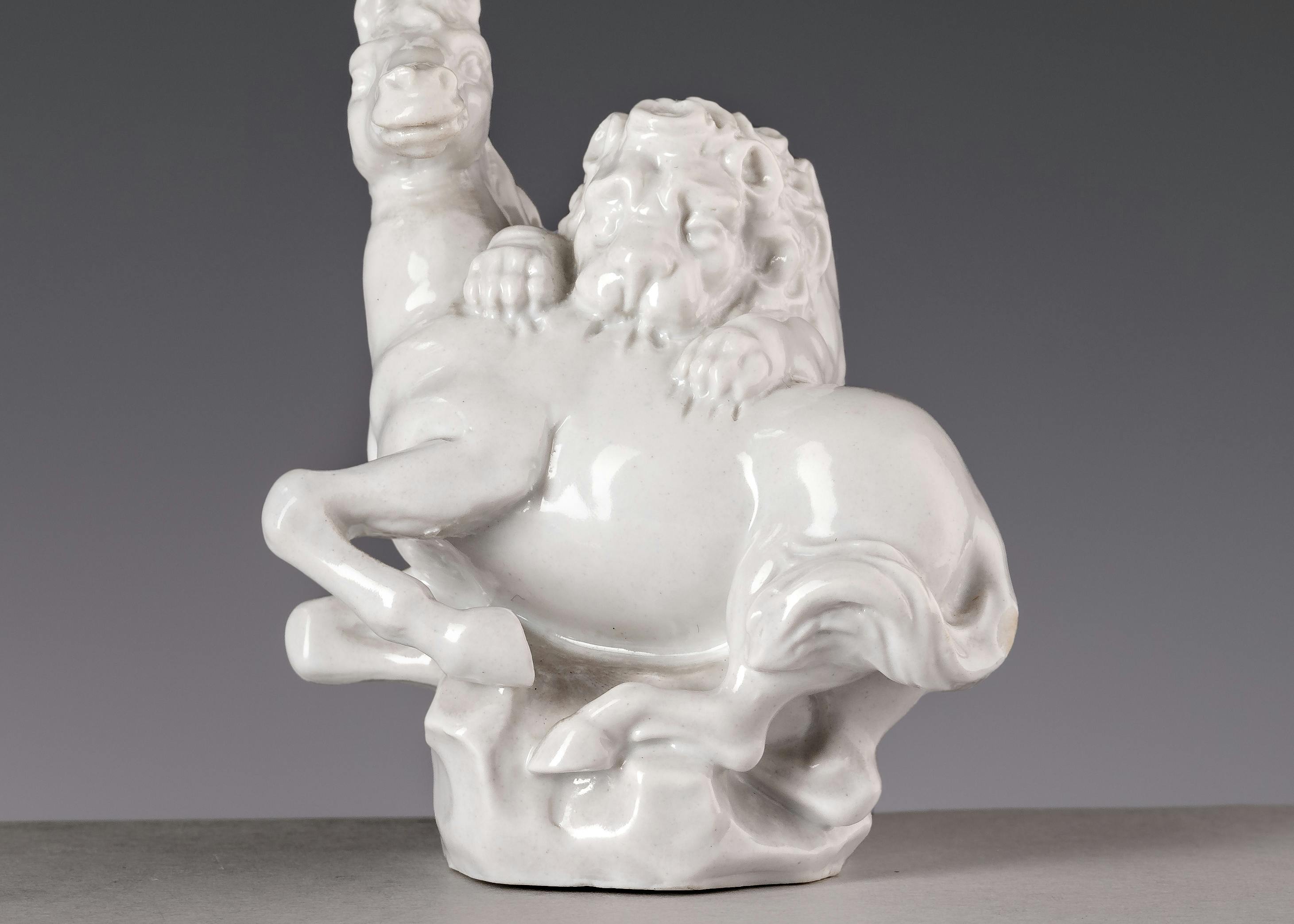
This series consists of ten small groups featuring animals mostly engaged in combat with each other. Already described in the Inventory of Forms of the Ginori Manufactory (circa 1791-1806) and in the letter sent on 13 September 1757 by Jacopo Fanciullacci to Lorenzo Ginori (Carlo’s son), these groups were first named Caccine around 1760 in the Price List of the Factory’s Porcelain: “Various dessert items / Caccine or small groups of different white animals / Said to be painted.”
As indicated in the price list, at Doccia the Caccine were produced for setting dessert tables. Besides the rock imitation base, which is part of the original composition, the manufactory also offered them positioned on a squared base or a rounded one in rocaille style.
To date, these groups are mainly traceable in their design to certain bronze sculptures, whose author was identified by Dimitrios Zikos as Giovan Battista Foggini. Although deserving of further investigation, the comparison carried out so far on some of these bronzes and their translations into porcelain, without the aforementioned added bases, revealed variants, the most significant of which concerns size, considering the 12-14% shrinkage to which porcelain is subjected during firing.
The height of the porcelain versions (5-7 cm) suggested their use by the Manufactory as handles, for example, on lids of tureens or pot-pourri vases. Although the Price List does not mention size variants for the same Caccina, some of these groups are known in up to three different porcelain sizes.
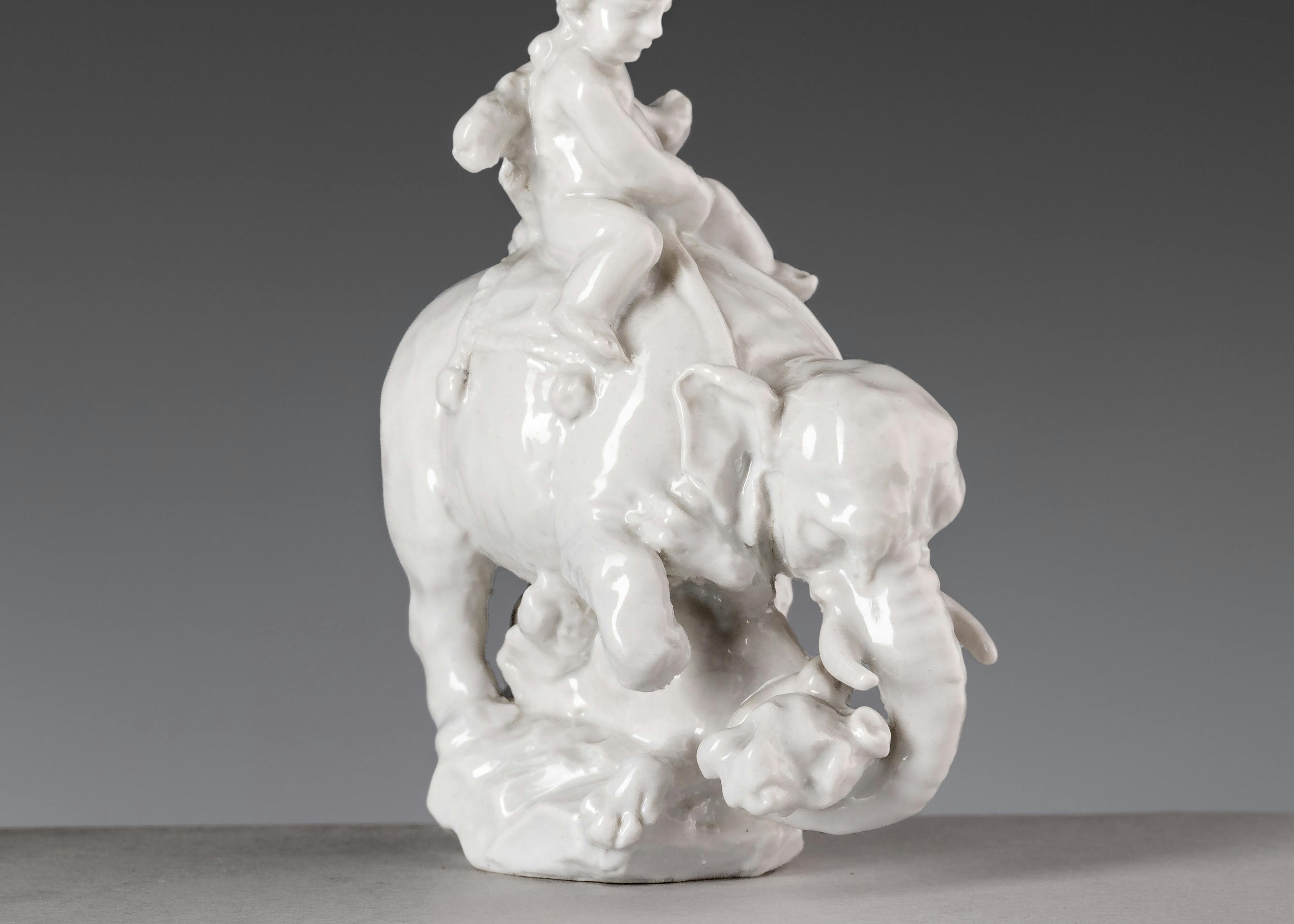
The series presented here is considered to have been made concurrently with the inauguration of the Ginori Museum at its current location, which took place in 1965. Curiously, it includes Eros riding an Elephant intent on strangling a tiger in place of the “Bacchus on a tortoise” cited in the eighteenth-century Inventory of Forms of the Ginori Manufactory. Certainly consistent with the theme of animal hunting, this piece is to be considered part of our series between the second half of the nineteenth century and the first half of the twentieth century, although it has already been documented among Doccia models since 1750, the period when some wax molds by Giovan Battista Piamontini were sold, presumably invented by his father Giuseppe, described as: “elephant strangling a dog with its trunk, with a putto on its back.”
- 01
Serie delle Caccine, Orsa con due cuccioli
- 02
Series of Caccine, Lion Attacking a Horse
- 03
Series of the Caccine, Four Wild Rabbits
- 04
Series of the Caccine, Dog biting a wolf or another dog
- 05
Series of Caccine, Bull and Two Dogs in Combat
- 06
Series of the Caccine, Two dogs catching a wild rabbit
- 07
Series of Caccine, Eros riding an Elephant intent on suffocating a tiger
- 08
Series of the Little Chickens, Lion Fighting with a Dog
- 09
Series of the Caccine, Wild Boar Preyed upon by Two Dogs
- 10
Series of the Caccine, Two bears that have overpowered a dog
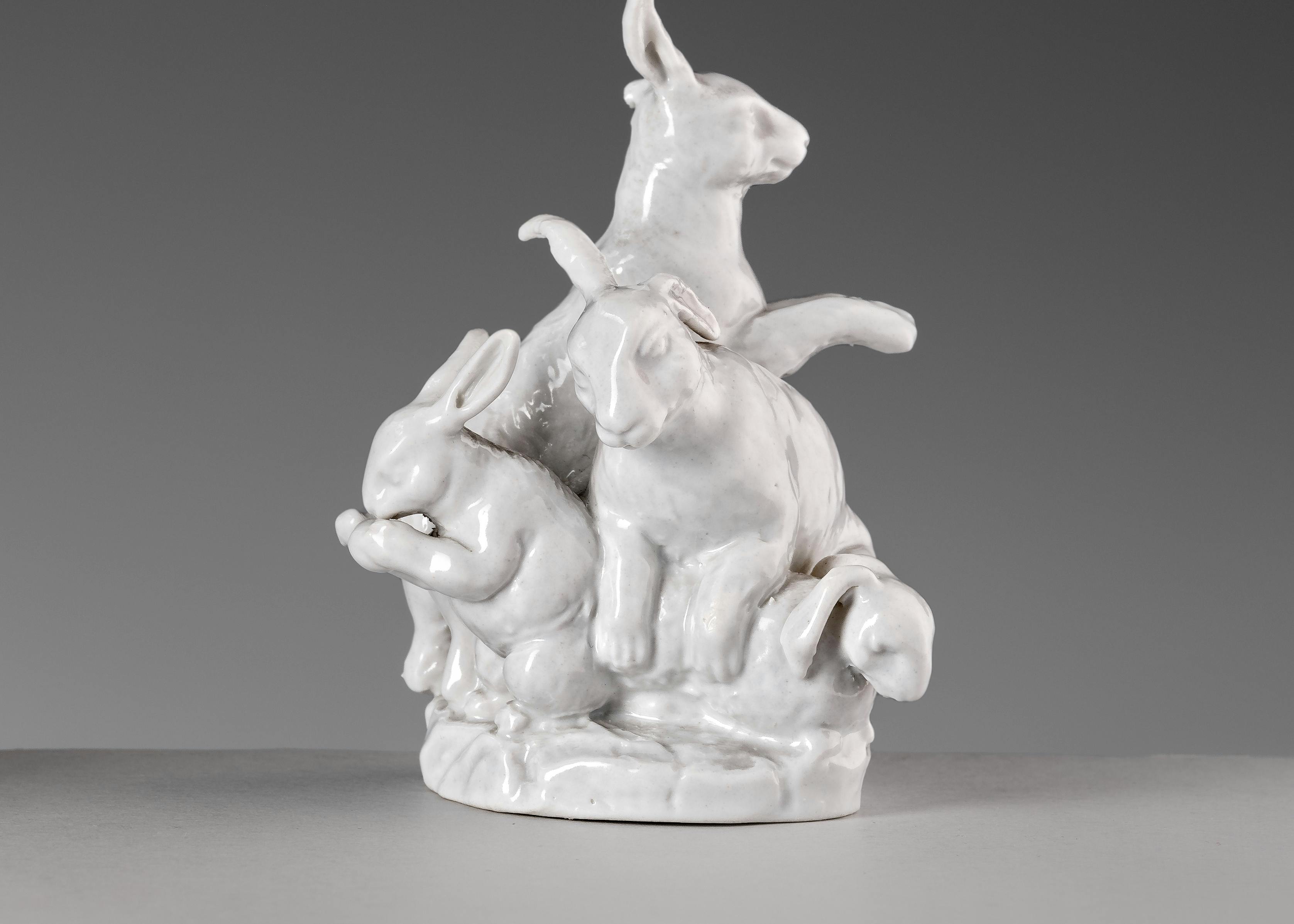
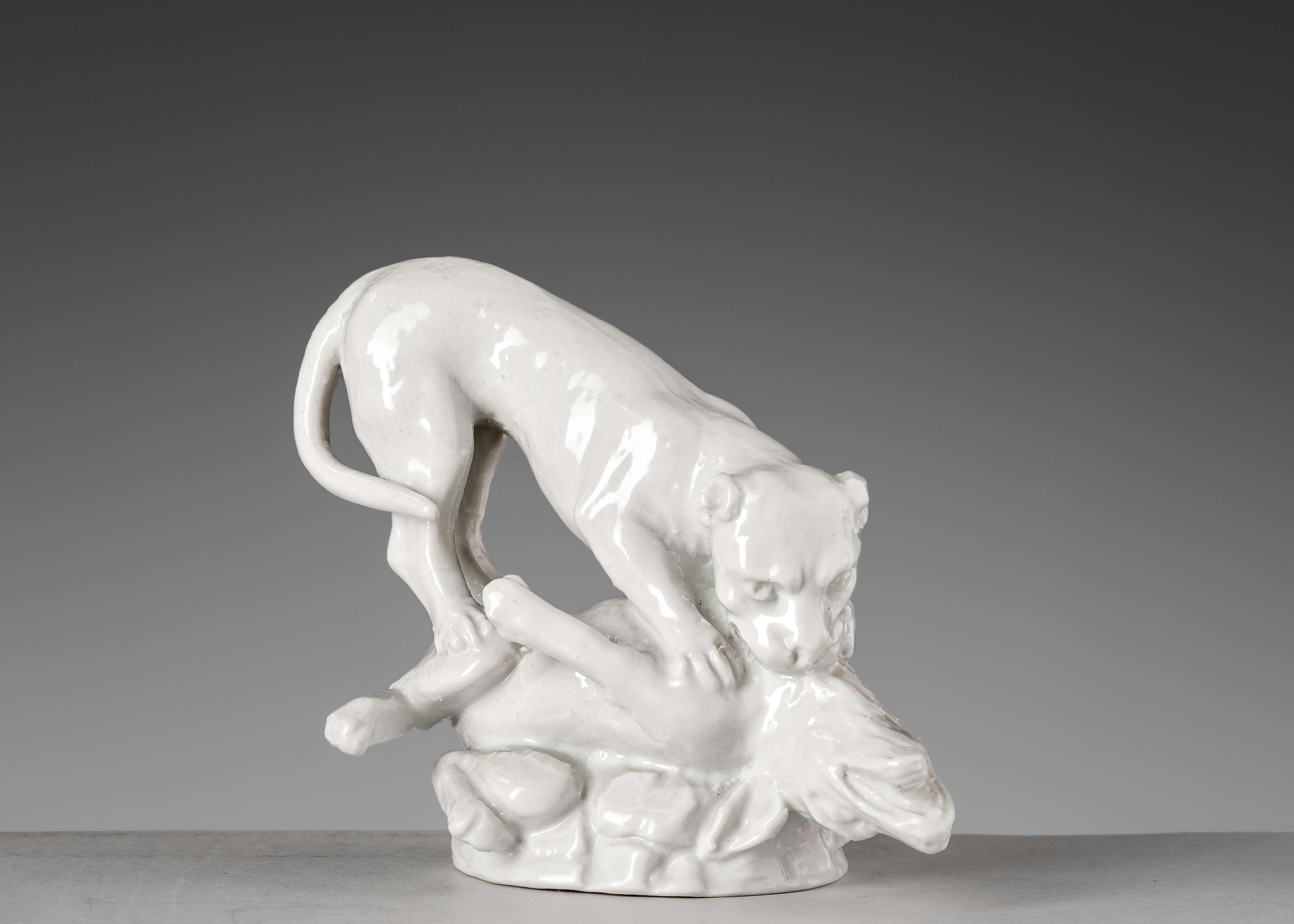
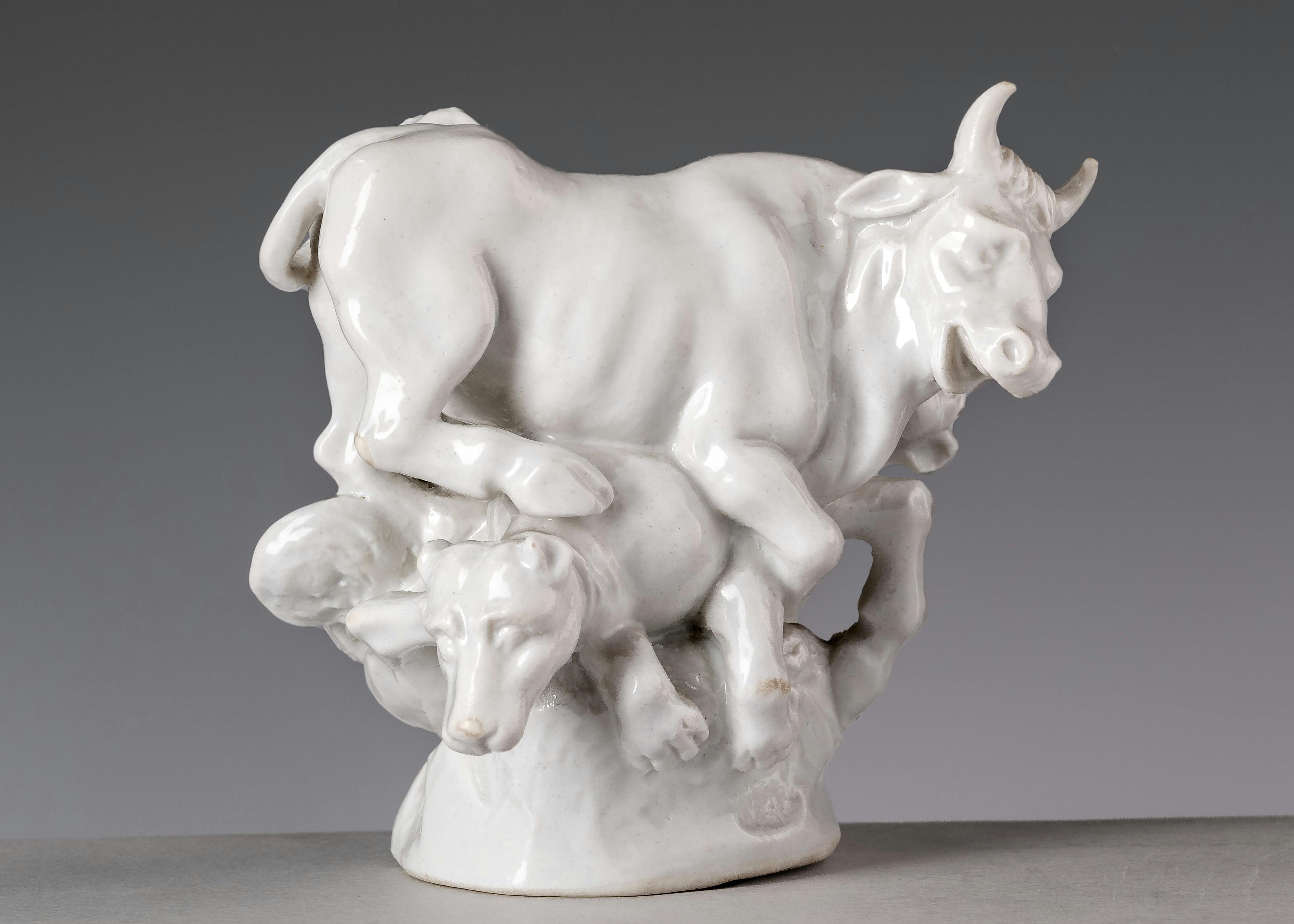
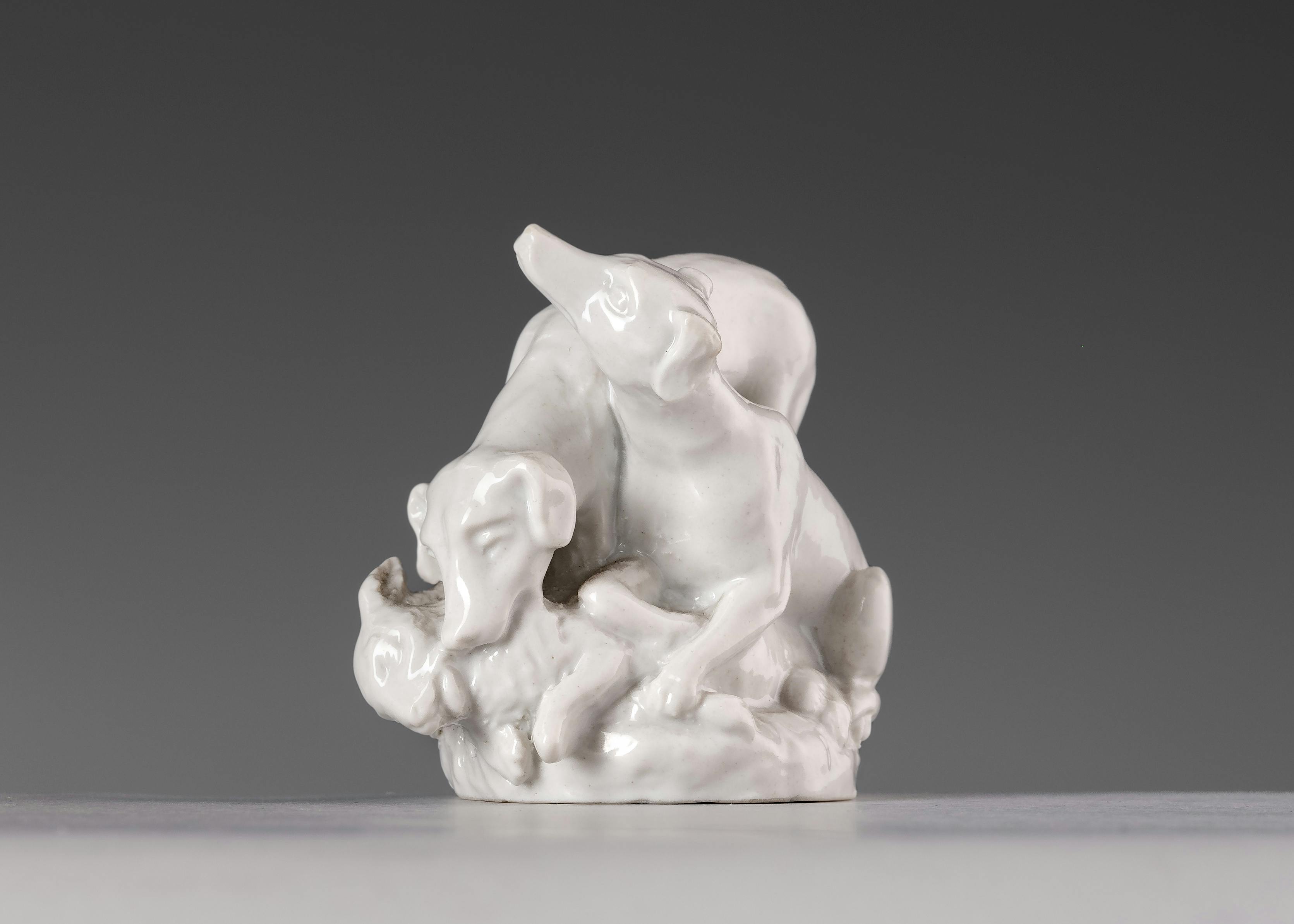
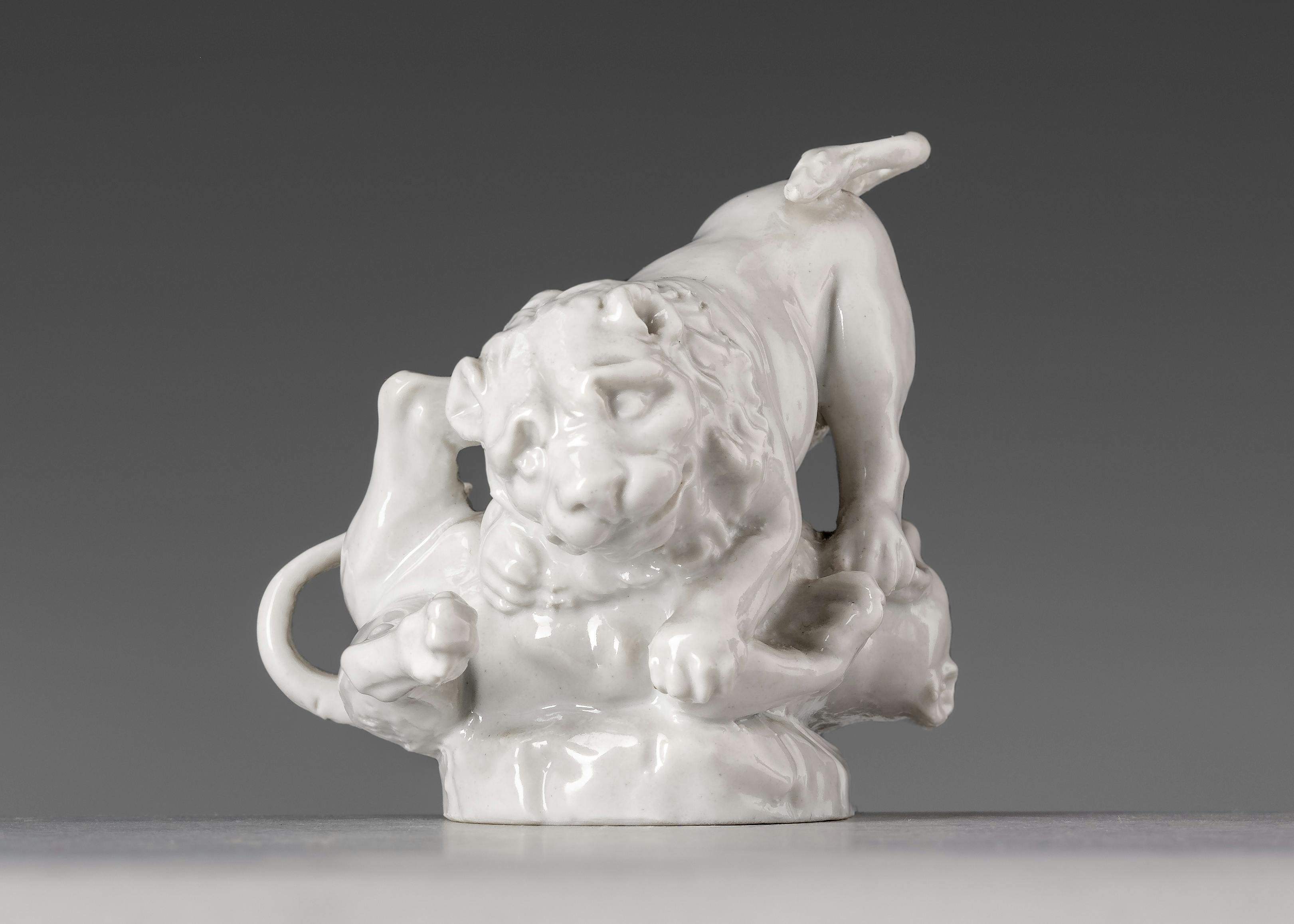
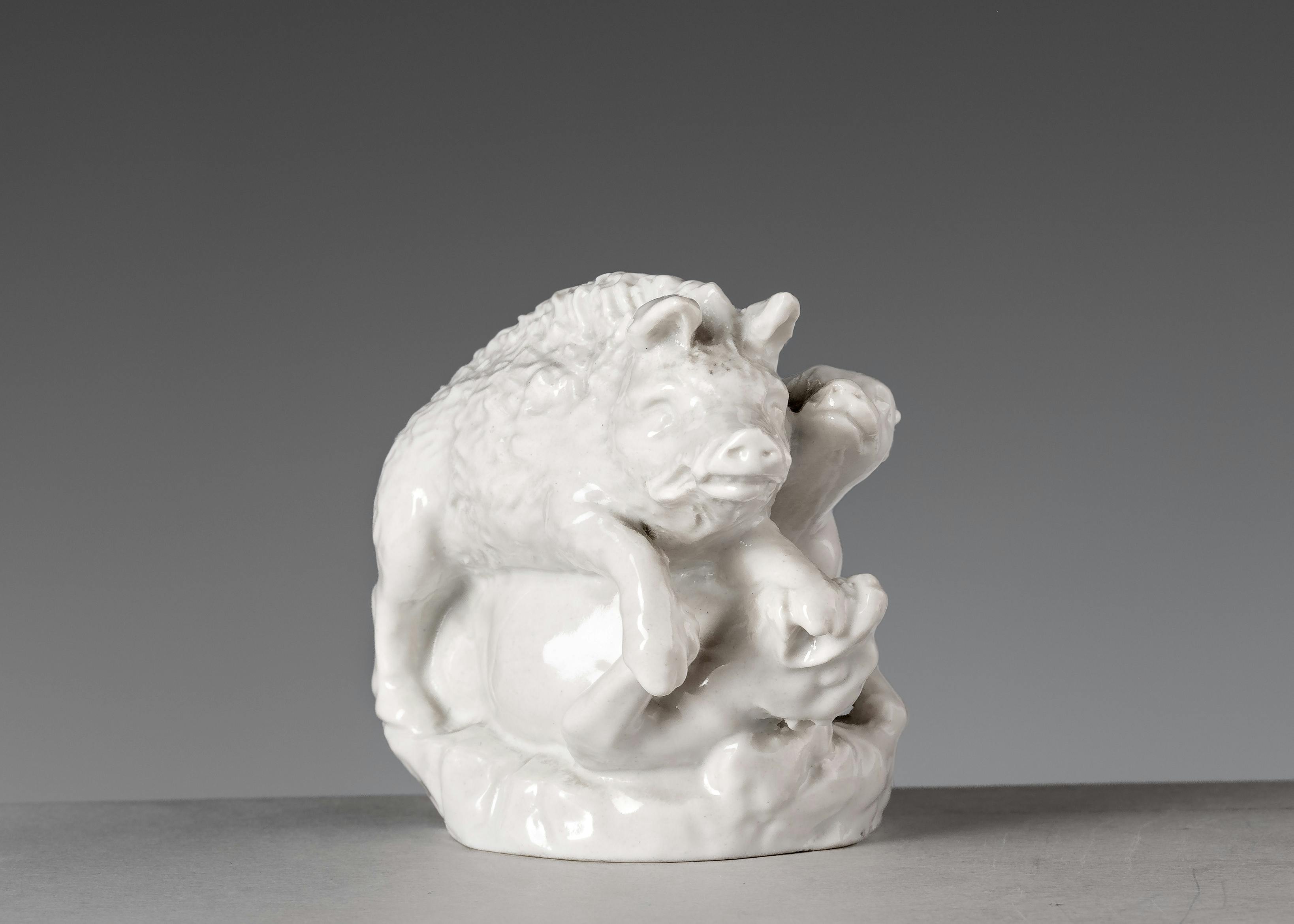
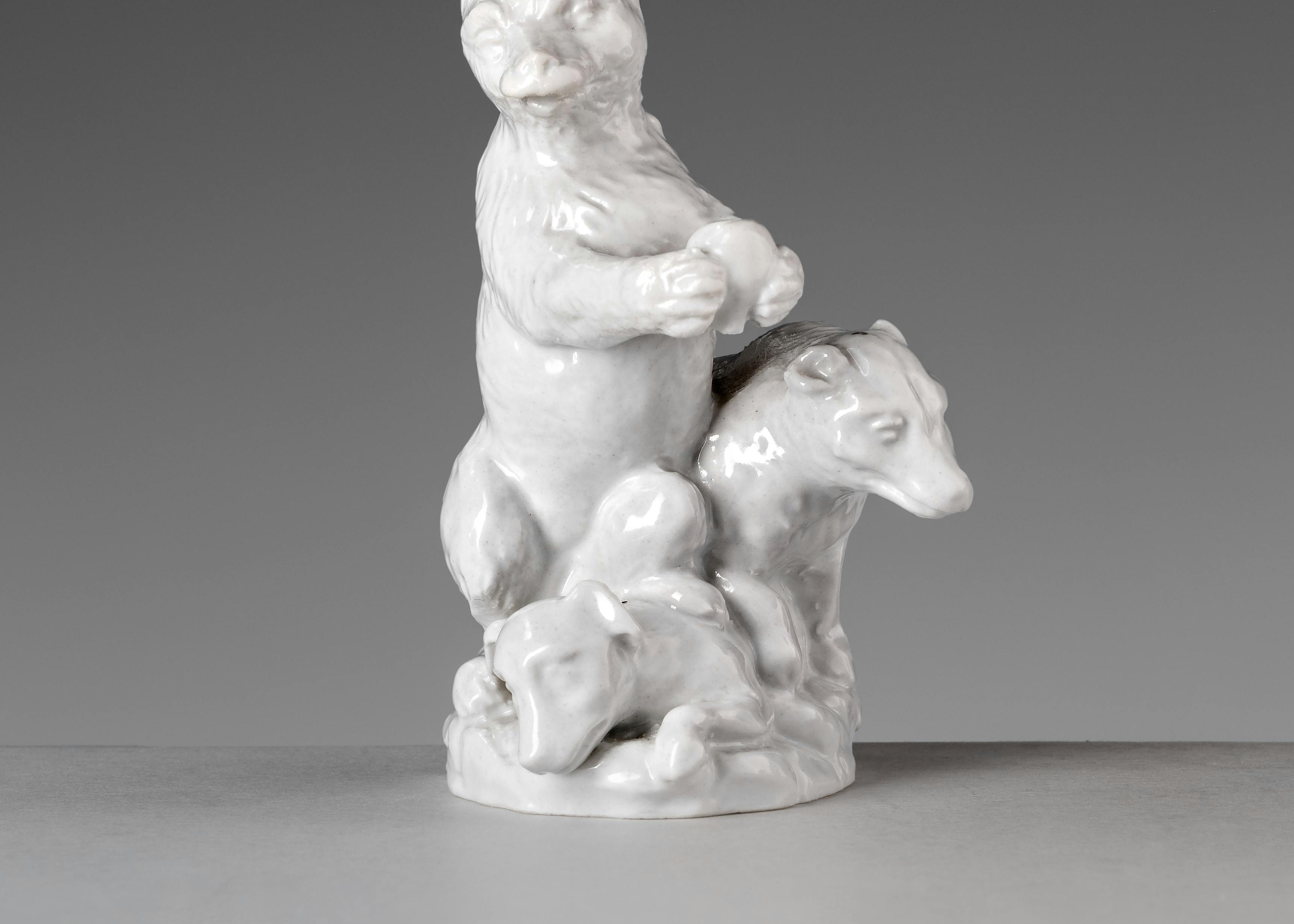
This series consists of ten small groups featuring animals mostly engaged in combat with each other. Already described in the Inventory of Forms of the Ginori Manufactory (circa 1791-1806) and in the letter sent on 13 September 1757 by Jacopo Fanciullacci to Lorenzo Ginori (Carlo’s son), these groups were first named Caccine around 1760 in the Price List of the Factory’s Porcelain: “Various dessert items / Caccine or small groups of different white animals / Said to be painted.”
As indicated in the price list, at Doccia the Caccine were produced for setting dessert tables. Besides the rock imitation base, which is part of the original composition, the manufactory also offered them positioned on a squared base or a rounded one in rocaille style.
To date, these groups are mainly traceable in their design to certain bronze sculptures, whose author was identified by Dimitrios Zikos as Giovan Battista Foggini. Although deserving of further investigation, the comparison carried out so far on some of these bronzes and their translations into porcelain, without the aforementioned added bases, revealed variants, the most significant of which concerns size, considering the 12-14% shrinkage to which porcelain is subjected during firing.
The height of the porcelain versions (5-7 cm) suggested their use by the Manufactory as handles, for example, on lids of tureens or pot-pourri vases. Although the Price List does not mention size variants for the same Caccina, some of these groups are known in up to three different porcelain sizes.
The series presented here is considered to have been made concurrently with the inauguration of the Ginori Museum at its current location, which took place in 1965. Curiously, it includes Eros riding an Elephant intent on strangling a tiger in place of the “Bacchus on a tortoise” cited in the eighteenth-century Inventory of Forms of the Ginori Manufactory. Certainly consistent with the theme of animal hunting, this piece is to be considered part of our series between the second half of the nineteenth century and the first half of the twentieth century, although it has already been documented among Doccia models since 1750, the period when some wax molds by Giovan Battista Piamontini were sold, presumably invented by his father Giuseppe, described as: “elephant strangling a dog with its trunk, with a putto on its back.”