Knife Grinder
From the ancient marble preserved in the Tribune of the Galleries of the Uffizi
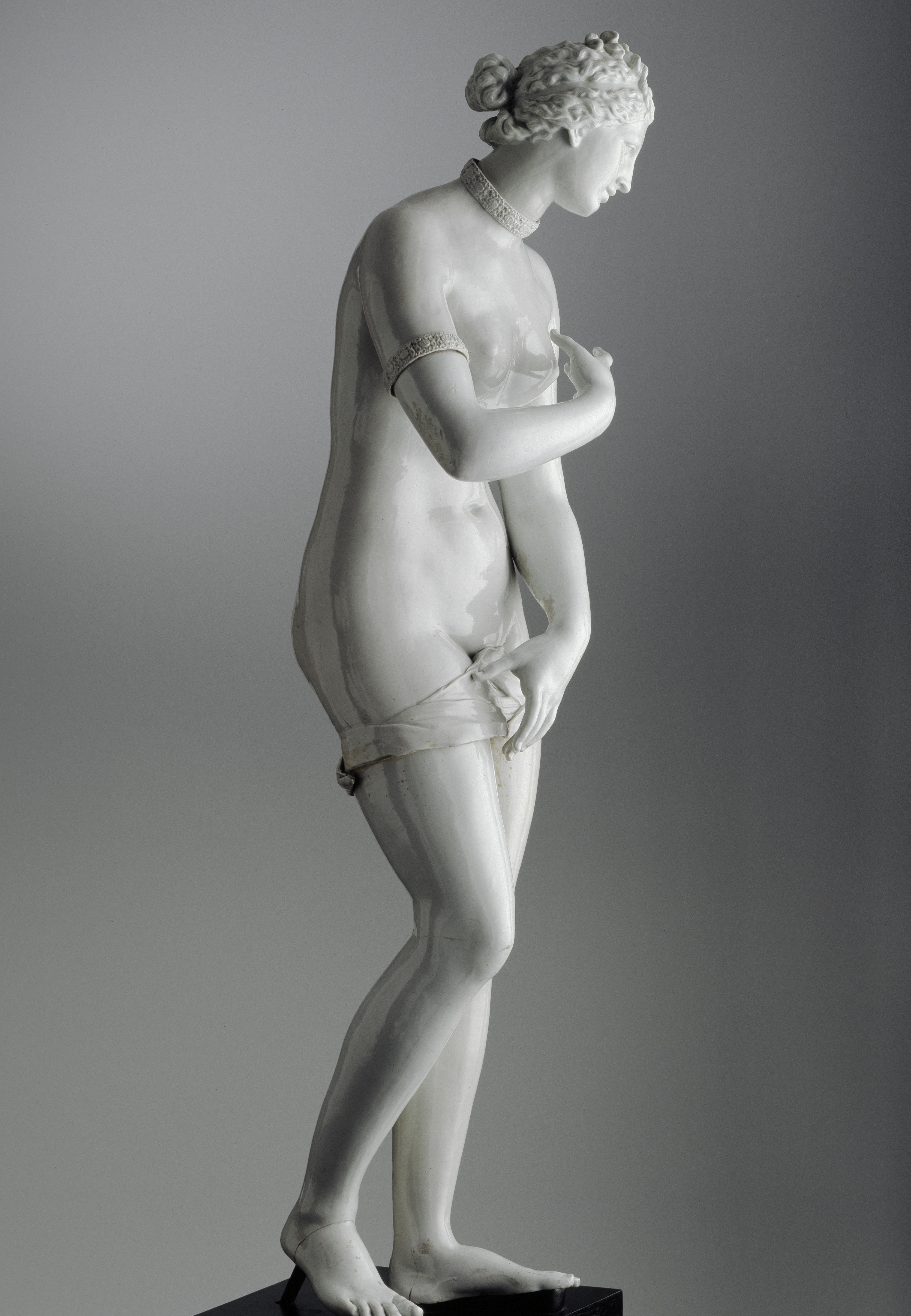
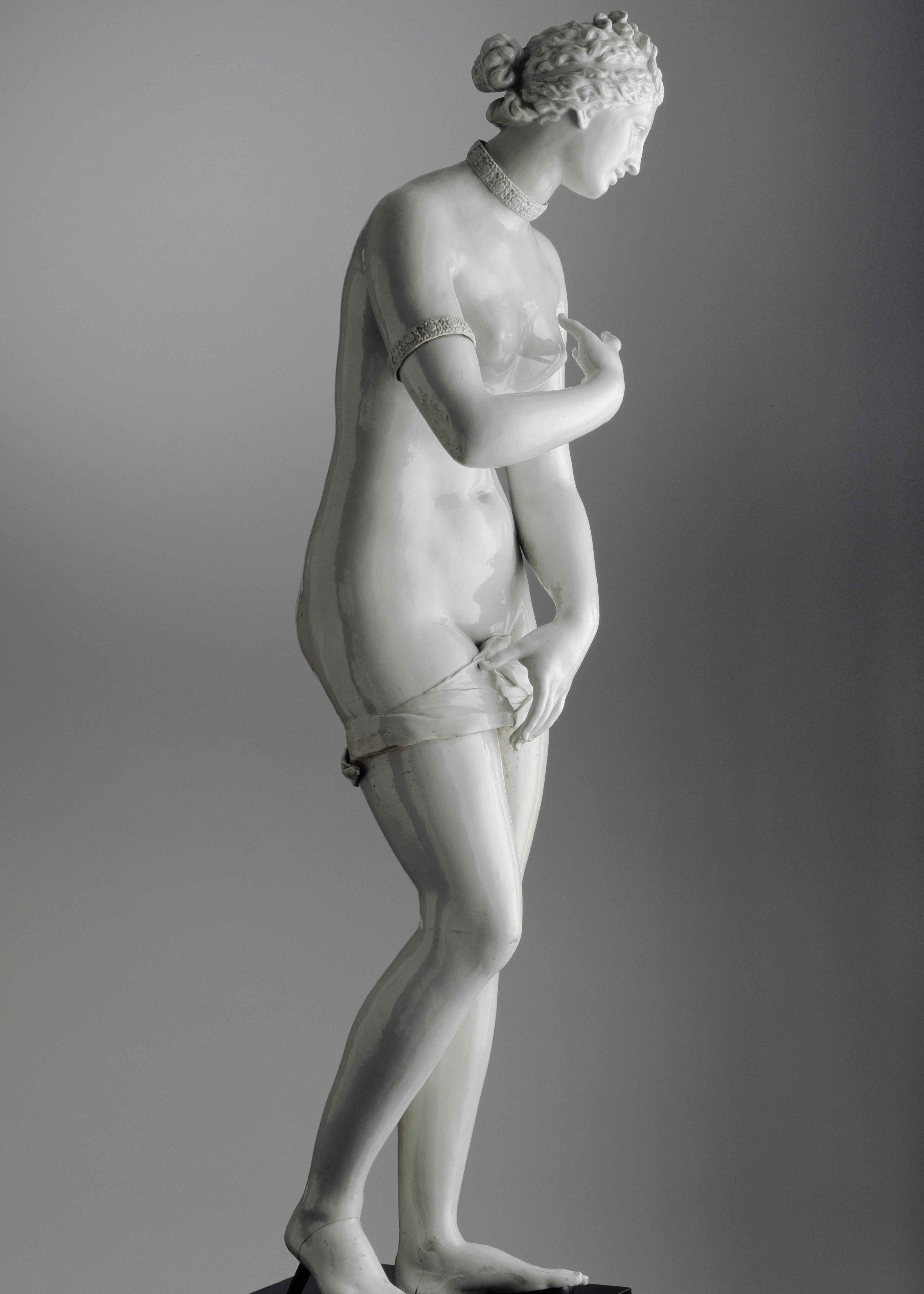
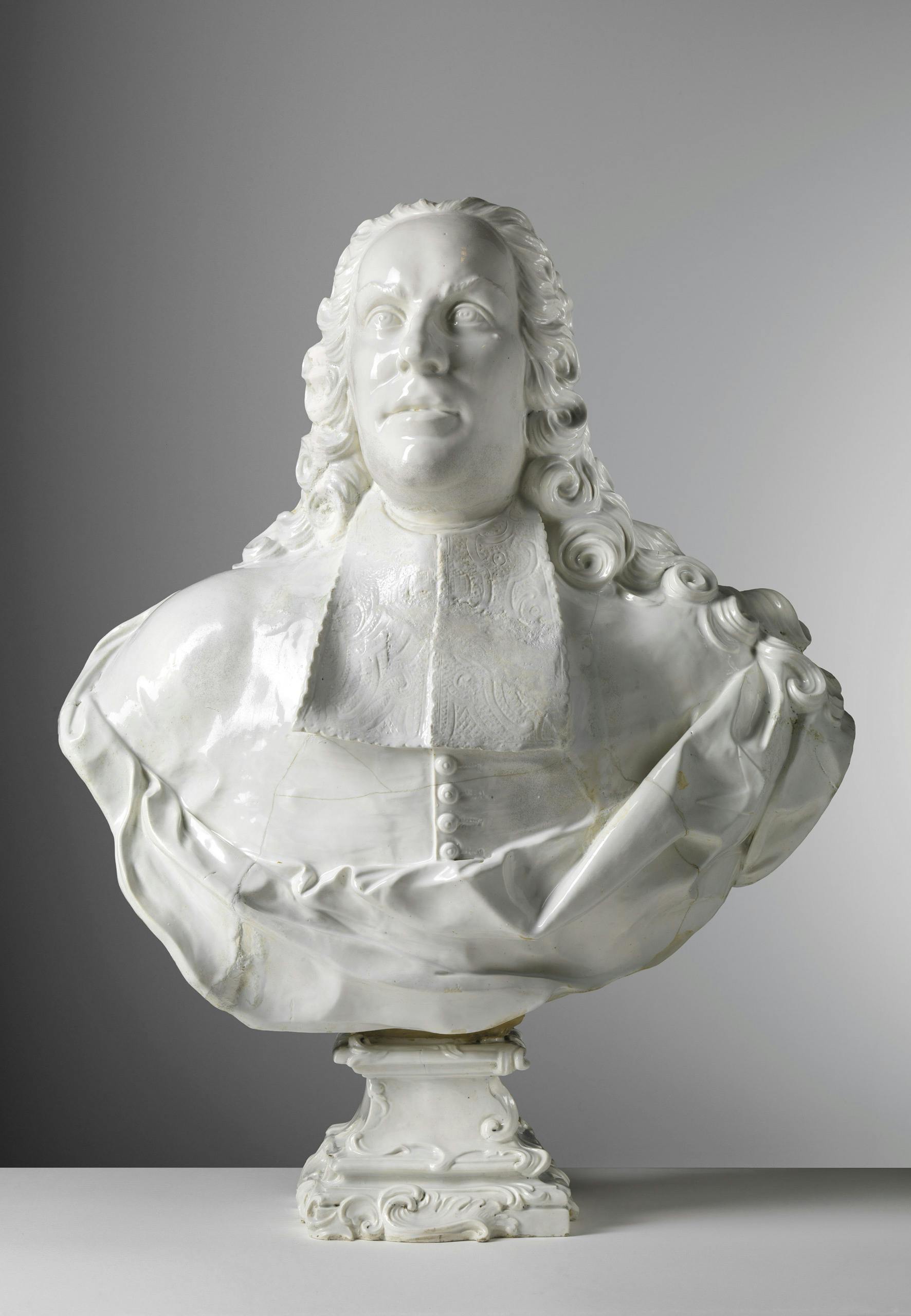
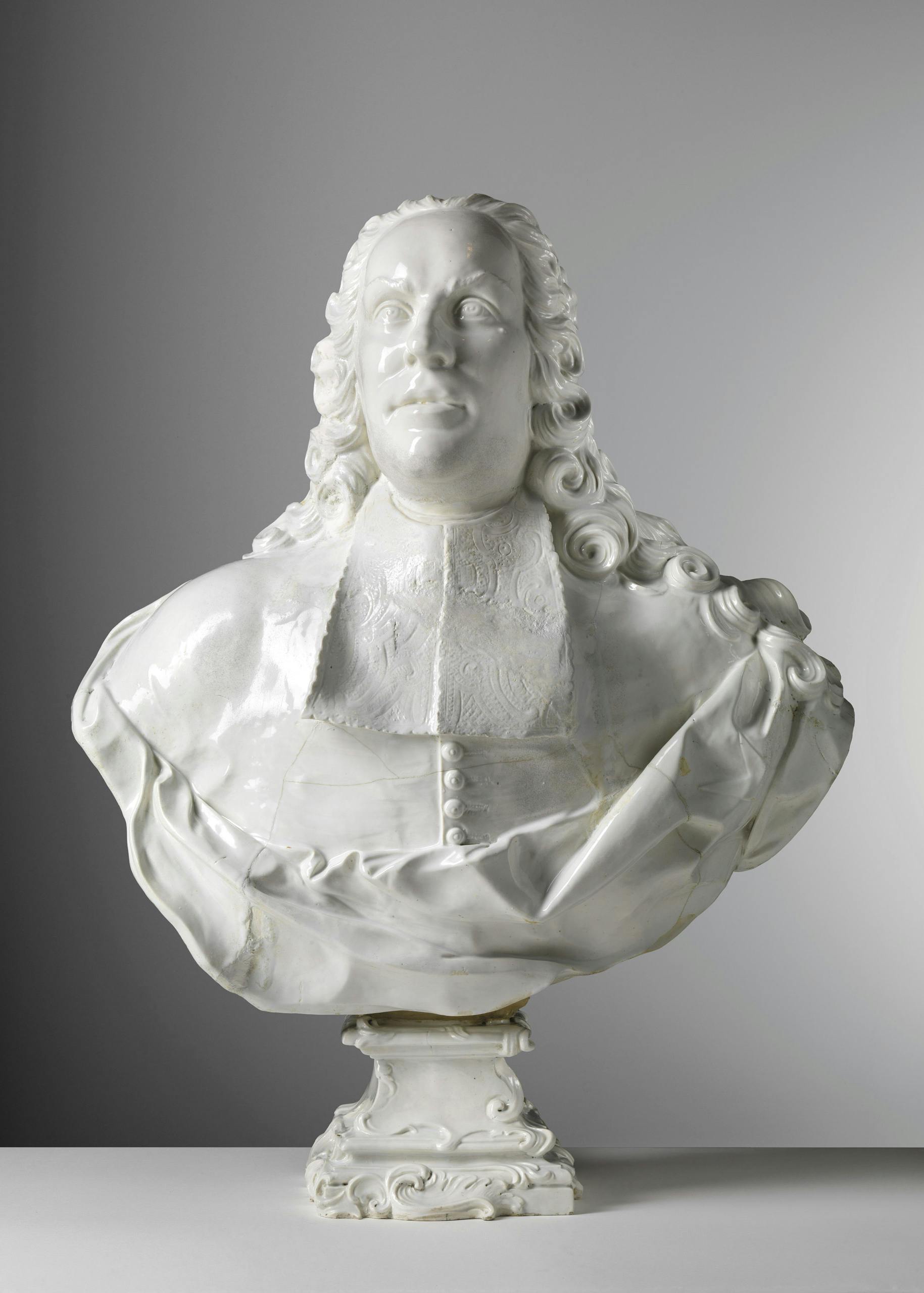
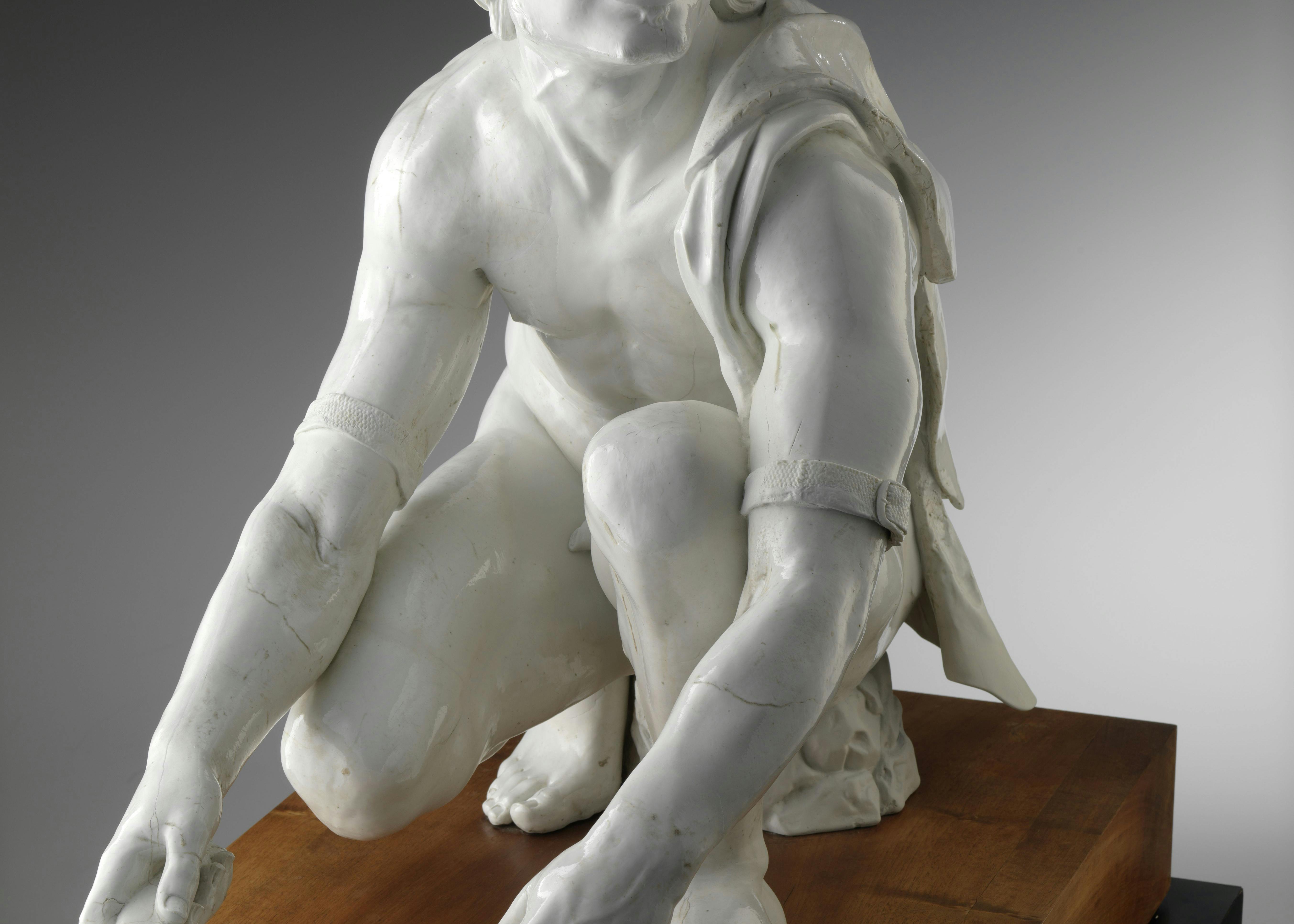
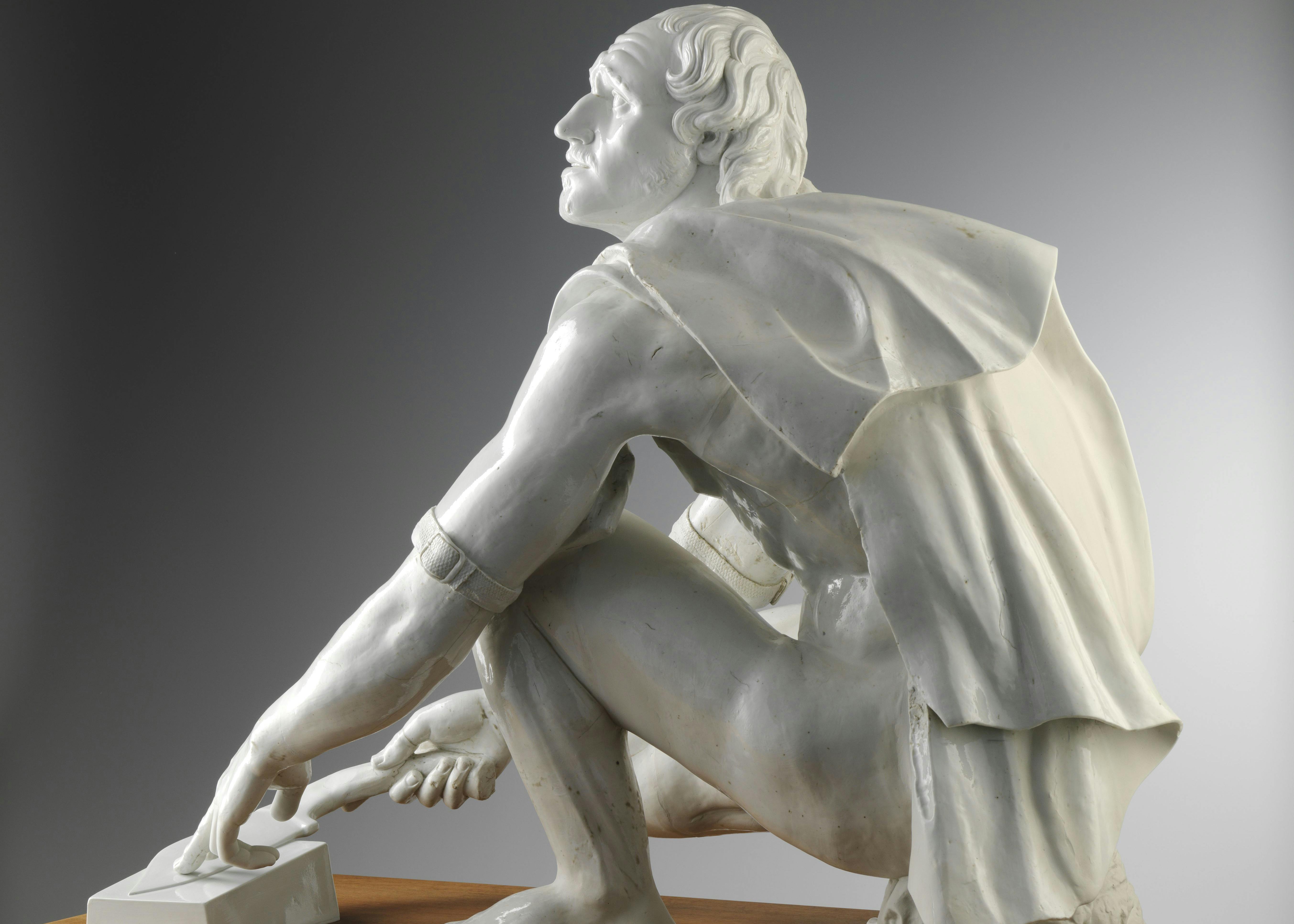
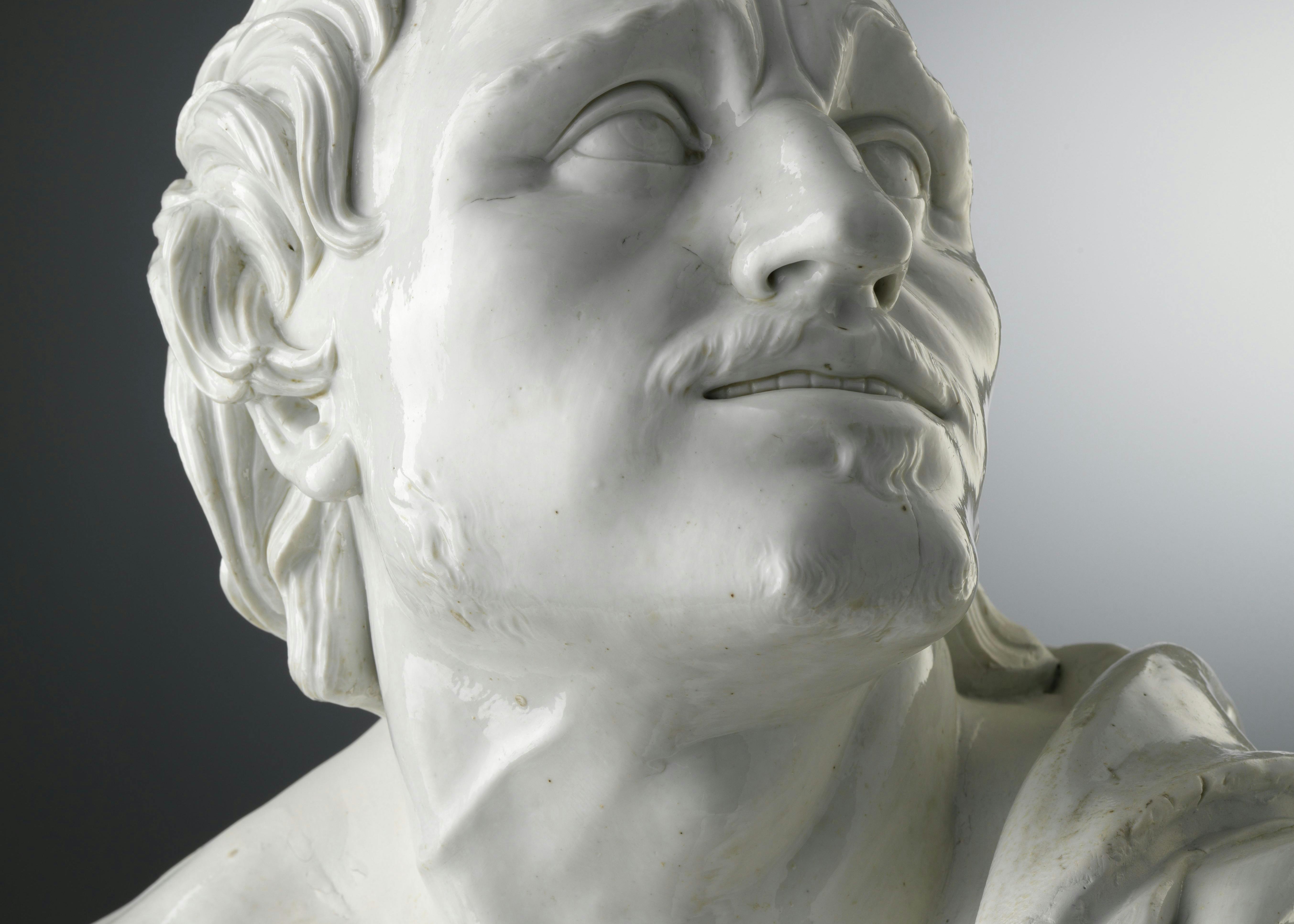
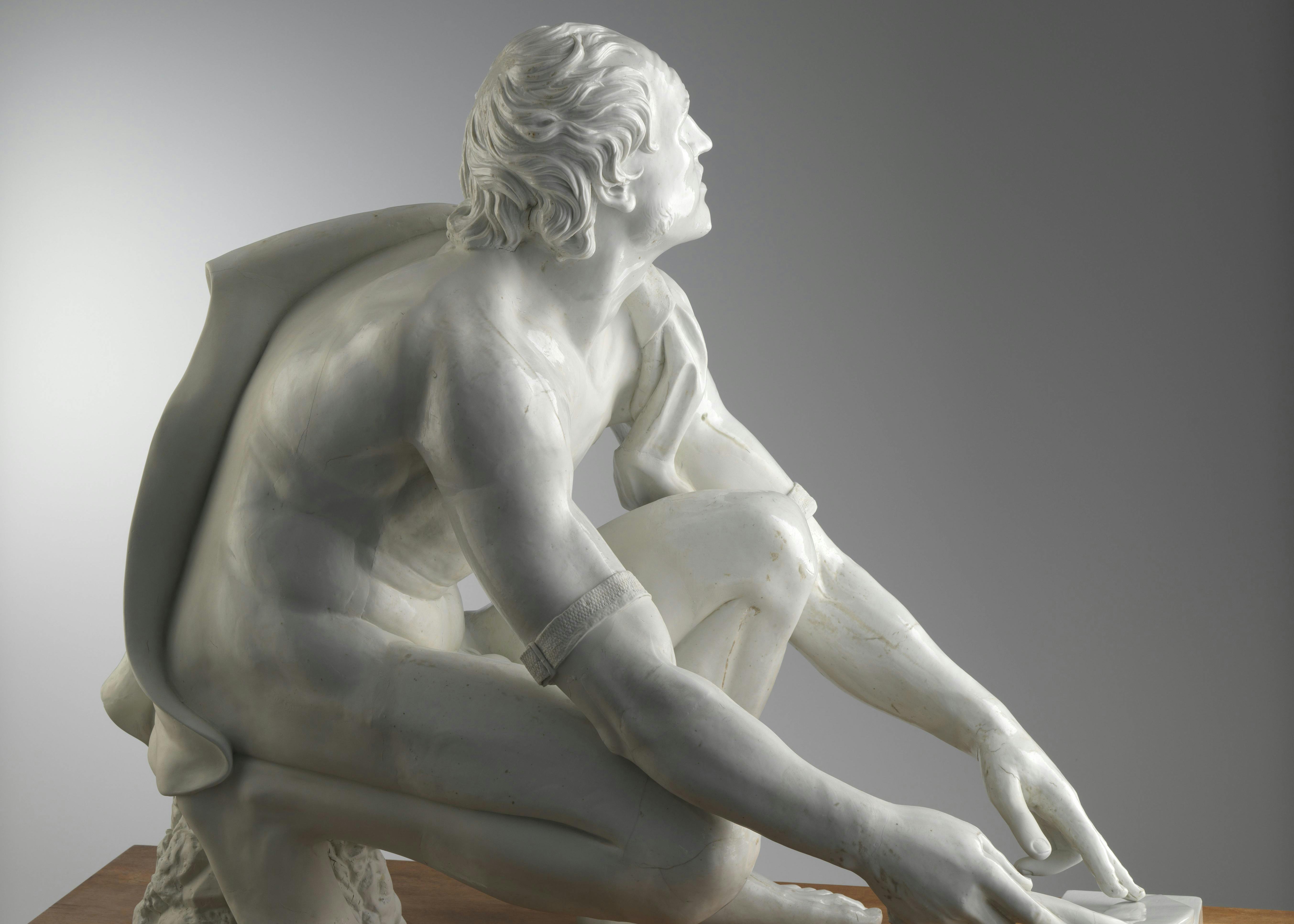
The Arrotino of the Museo Ginori is the life-size white porcelain translation of the famous ancient sculpture preserved in the Tribuna of the Uffizi Galleries.
Likely executed under the supervision of the chief modeller Gaspero Bruschi, the work was produced by the Manifattura di Doccia using molds taken from a plaster cast provided in 1748 by Vincenzo Foggini, coming from his father Giovan Battista’s workshop. Vincenzo’s collaboration with the manufactory is documented between 1741 and 1753, primarily for the creation of wax casts of compositions invented by his father.
The piece, which rests on a modern wooden base, in addition to showing evident firing defects, reveals on the forearms the peculiarity of the “cigne” (straps), introduced to conceal the heavy plaster repairs resulting from the assembly, after firing, of the various parts of the figure. A letter sent in 1754 by Bruschi to Carlo Ginori documents the intention to abandon this expedient and produce a new version of the Arrotino more faithful to the archetype of origin.
- 01
- 02
Arrotino, from the ancient marble preserved in the Tribuna of the Uffizi Galleries
- 03
Arrotino, from the ancient marble preserved in the Tribune of the Uffizi Galleries
- 04
The Grinder, from the ancient marble preserved in the Tribune of the Uffizi Galleries
- 05
Arrotino, from the ancient marble preserved in the Tribune of the Uffizi Galleries
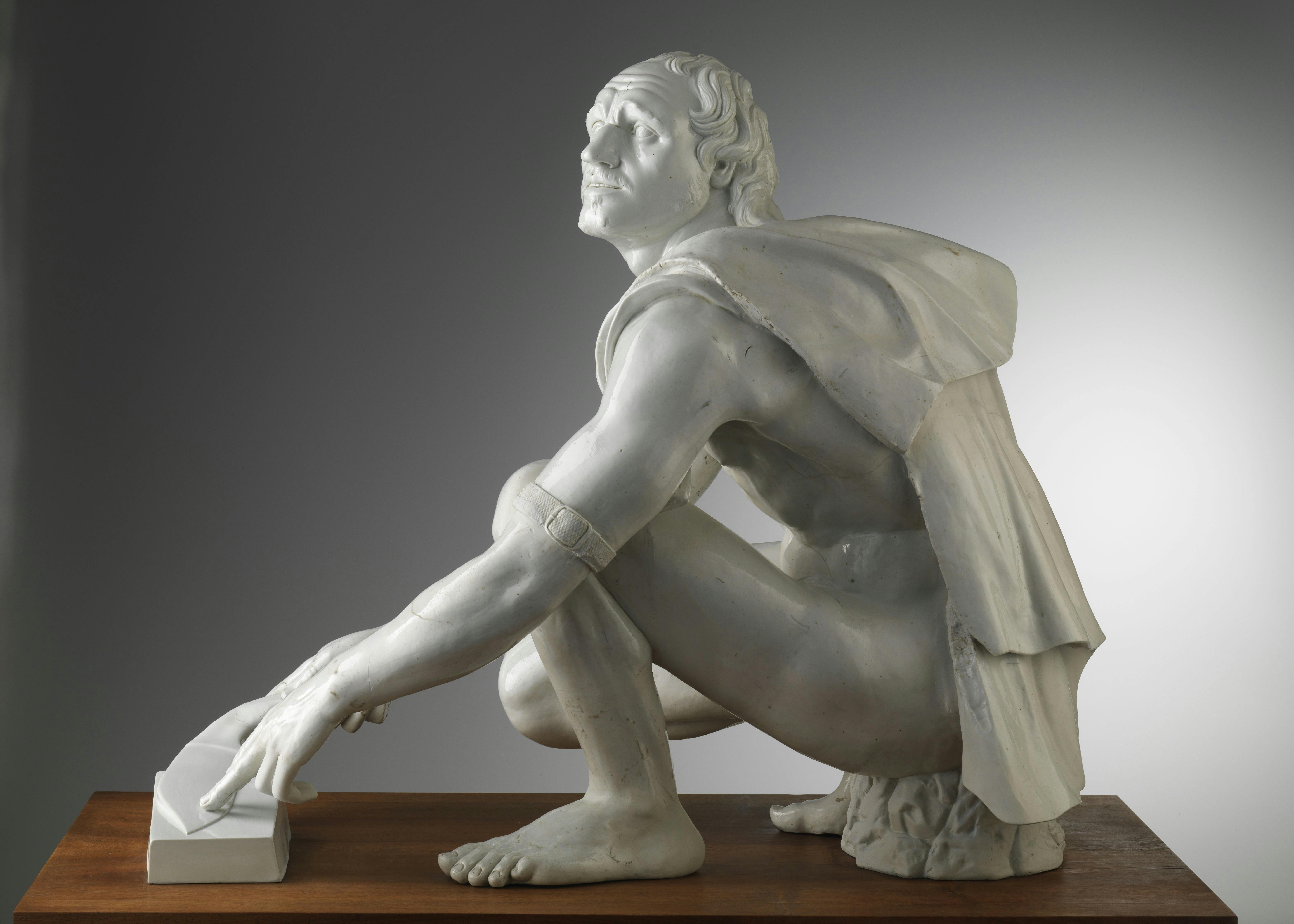
The Arrotino of the Museo Ginori is the life-size white porcelain translation of the famous ancient sculpture preserved in the Tribuna of the Uffizi Galleries.
Likely executed under the supervision of the chief modeller Gaspero Bruschi, the work was produced by the Manifattura di Doccia using molds taken from a plaster cast provided in 1748 by Vincenzo Foggini, coming from his father Giovan Battista’s workshop. Vincenzo’s collaboration with the manufactory is documented between 1741 and 1753, primarily for the creation of wax casts of compositions invented by his father.
The piece, which rests on a modern wooden base, in addition to showing evident firing defects, reveals on the forearms the peculiarity of the “cigne” (straps), introduced to conceal the heavy plaster repairs resulting from the assembly, after firing, of the various parts of the figure. A letter sent in 1754 by Bruschi to Carlo Ginori documents the intention to abandon this expedient and produce a new version of the Arrotino more faithful to the archetype of origin.