
Museo Ginori towards reopening: renovation works begin
The renovation of the building, closed since May 2014 following the bankruptcy of Richard-Ginori, begins. The work is coordinated by the Regional Directorate for National Museums of Tuscany.
The renovation of the building, closed since May 2014 following the bankruptcy of Richard-Ginori, begins. The work is coordinated by the Regional Directorate for National Museums of Tuscany.
The renovation of the building, closed since May 2014 following the bankruptcy of Richard-Ginori, begins. The work is coordinated by the Regional Directorate for National Museums of Tuscany.
The renovation of the building, closed since May 2014 following the bankruptcy of Richard-Ginori, begins. The work is coordinated by the Regional Directorate for National Museums of Tuscany.

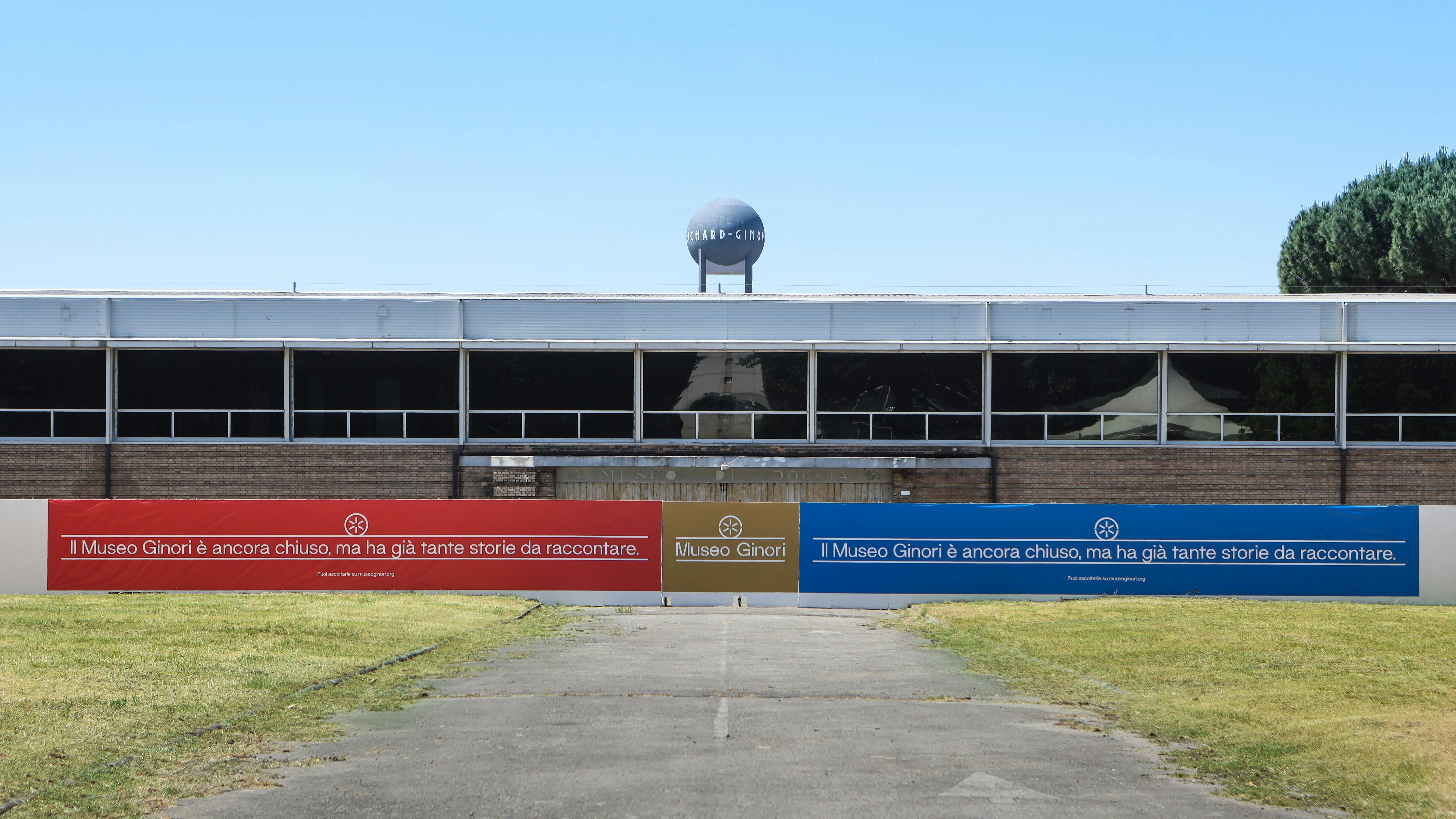
“Seven years after the acquisition of the Museo Ginori by the Italian State, the renovation work on the building that houses it is beginning. Since my appointment, I have followed this dossier with great attention, and now I welcome with satisfaction the start of the construction site. The allocation I provided in the Strategic Plan for Major Cultural Projects is a sign of the renewed focus on this internationally significant institution.” With these words, the Minister of Culture, Gennaro Sangiuliano, welcomed the start of the renovation works of the Museo Ginori, closed since May 2014 following the bankruptcy of Richard-Ginori and, since 2017, state-owned, entrusted to the Tuscany Regional Directorate of National Museums of the Ministry of Culture until the end of the works.
For the first phase of the renovation interventions (expected to last 462 calendar days consecutively), the CIPE (Interministerial Committee for Economic Planning) allocated 1.9 million euros, charged to the Development and Cohesion Fund 2007-2013. An additional funding, supported by the Strategic Plan for Major Cultural Projects with 5.5 million euros, will enable the complete restoration of the building, severely damaged during the years of abandonment prior to acquisition by the Italian State, through restoration and conservative rehabilitation, building and systems upgrades (also aimed at compliance with safety, fire prevention, and seismic regulations), and the redistribution of internal spaces according to new functional and museological requirements.
“The purchase by the State of the Richard Ginori corporate museum and all its artistic and archival collections,” explained Stefano Casciu, Regional Director of the Tuscany National Museums, “carried out through a complex administrative operation involving the Tuscany Museum Network (now the Regional Directorate) and the former Superintendence for Monuments of Florence, directed by Alessandra Marino, marked a turning point in a long process aimed at saving from decay and acquiring for the public heritage a museum complex of exceptional cultural, artistic, historical, and social interest. The Tuscany Regional Directorate of National Museums, supported by the central offices of the Ministry of Culture, has consistently carried out over these years the various technical and administrative phases necessary to finally reach the start of renovation works, from which will emerge the new layout designed in collaboration with the Fondazione Ginori. I am therefore proud, and grateful to all my collaborators, for the long and difficult journey undertaken so far towards the reopening of the magnificent Museo Ginori.”
The role of the Fondazione Ginori
The concept of the new museum setup is entrusted to the Fondazione Ginori, which coordinates the scientific and cultural activities of the museum.
“The Museo Ginori – Tomaso Montanari, President of the Fondazione Ginori explains – survived the bankruptcy of Richard-Ginori thanks to an extraordinary popular movement that was able to transform its love for this memory chest into a highly effective means of persuasion that convinced the State to invest in the future of the museum and the territory. The Foundation is pleased to finally witness the start of the renovation and expresses its gratitude to Minister Sangiuliano and the Tuscany Regional Directorate of National Museums, which is responsible for coordinating the work. In agreement with the Ministry of Culture, we are working to prepare the installation project, in order to minimize the time before the opening of the new Museo Ginori.”
The building

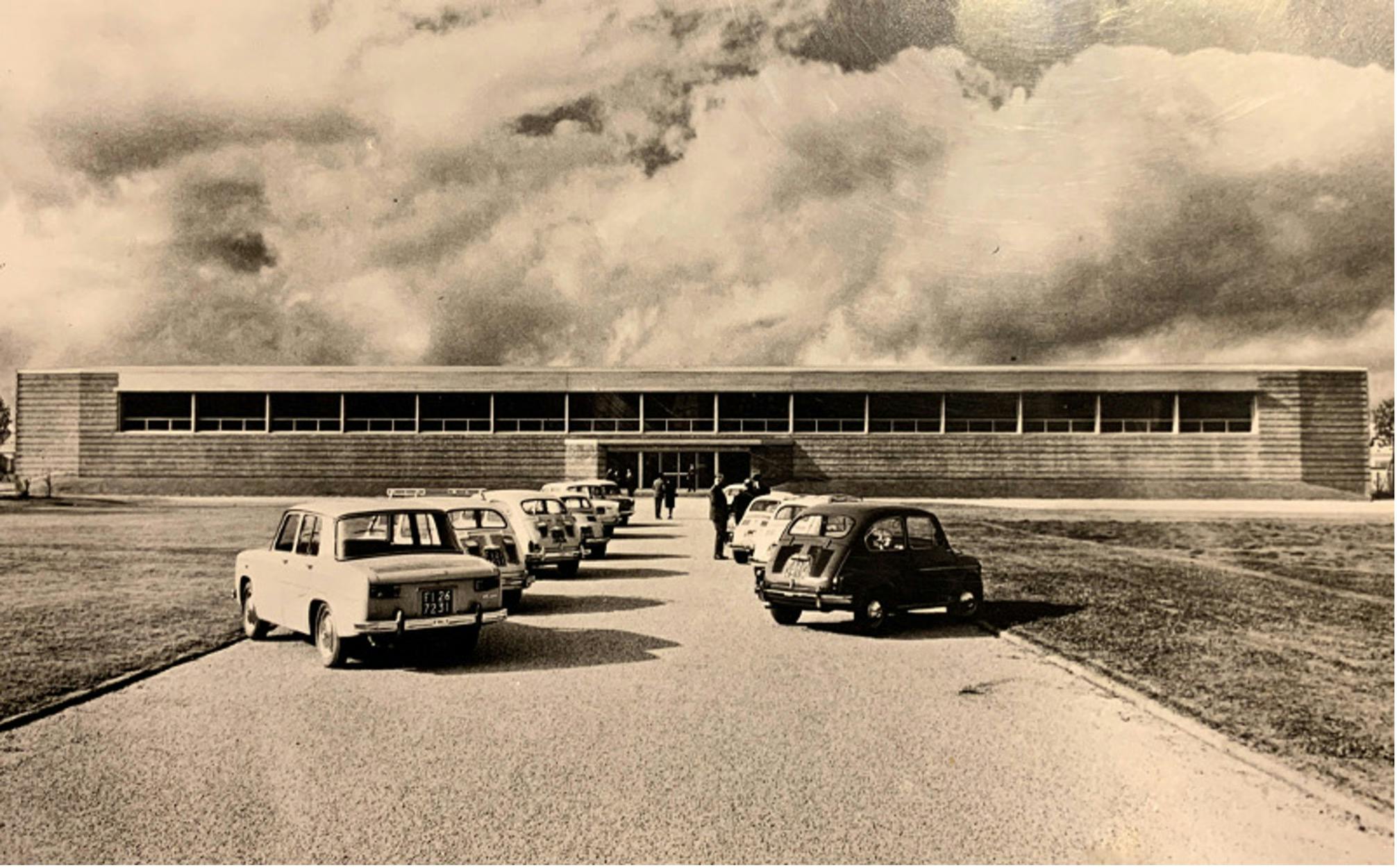
The Museo Ginori in the Sixties
Built in 1965 based on a design by architect Pier Niccolò Berardi, who had envisioned it as a perfect container to preserve the jewels of the Ginori collection following the closure of the historic Manifattura di Doccia headquarters (1957), the building housing the Museo Ginori is an important example of rationalist architecture, whose forms and spatial layout closely recall the Santa Maria Novella train station in Florence, on whose design Berardi had worked thirty years earlier alongside the master Giovanni Michelucci.
Today, the internal layout of the museum respects the original plan drafted by Berardi, except for some modifications made during construction and in the following years, especially in the ground floor rooms. The renovation work, in terms of architecture, form, and choice of materials, will continue in line with what was foreseen by the original project, without altering the rationalist language with which the building was conceived.
The satisfaction of the Tuscany Region and the Municipality of Sesto Fiorentino
“At Ginori – explained Eugenio Giani, President of the Tuscany Region – art and work have intertwined for three centuries, creating a story of excellence entirely Tuscan that is recognized worldwide. The Doccia manufactory products are synonymous with style and beauty, and the start of the museum’s renovation works, which will display these pieces in their natural home in Sesto Fiorentino, is a very important moment for all of Tuscany. The Region is actively committed to the reopening and full valorization of this heritage, convinced that Museo Ginori will assume the leading role it deserves in Tuscany’s museum offerings, benefiting visitors from all over the world, as well as the local community.”
“Ten years after its closure, which took place in May 2014 amid great uncertainty about its future” – commented Lorenzo Falchi, Mayor of Sesto Fiorentino – the new life of Museo Ginori finally truly begins. In the following years, thanks to the constant work of all the institutions involved, but above all thanks to the response of Sesto and its citizens who never gave up in front of that closed gate, important efforts were made, with economic investment from the Ministry and the shared commitment with the Municipality and the Region to establish the Foundation. The administrative process was very complex, but finally a new chapter truly opens.”


