David and Goliath
By Giovanni Battista Foggini, with variations
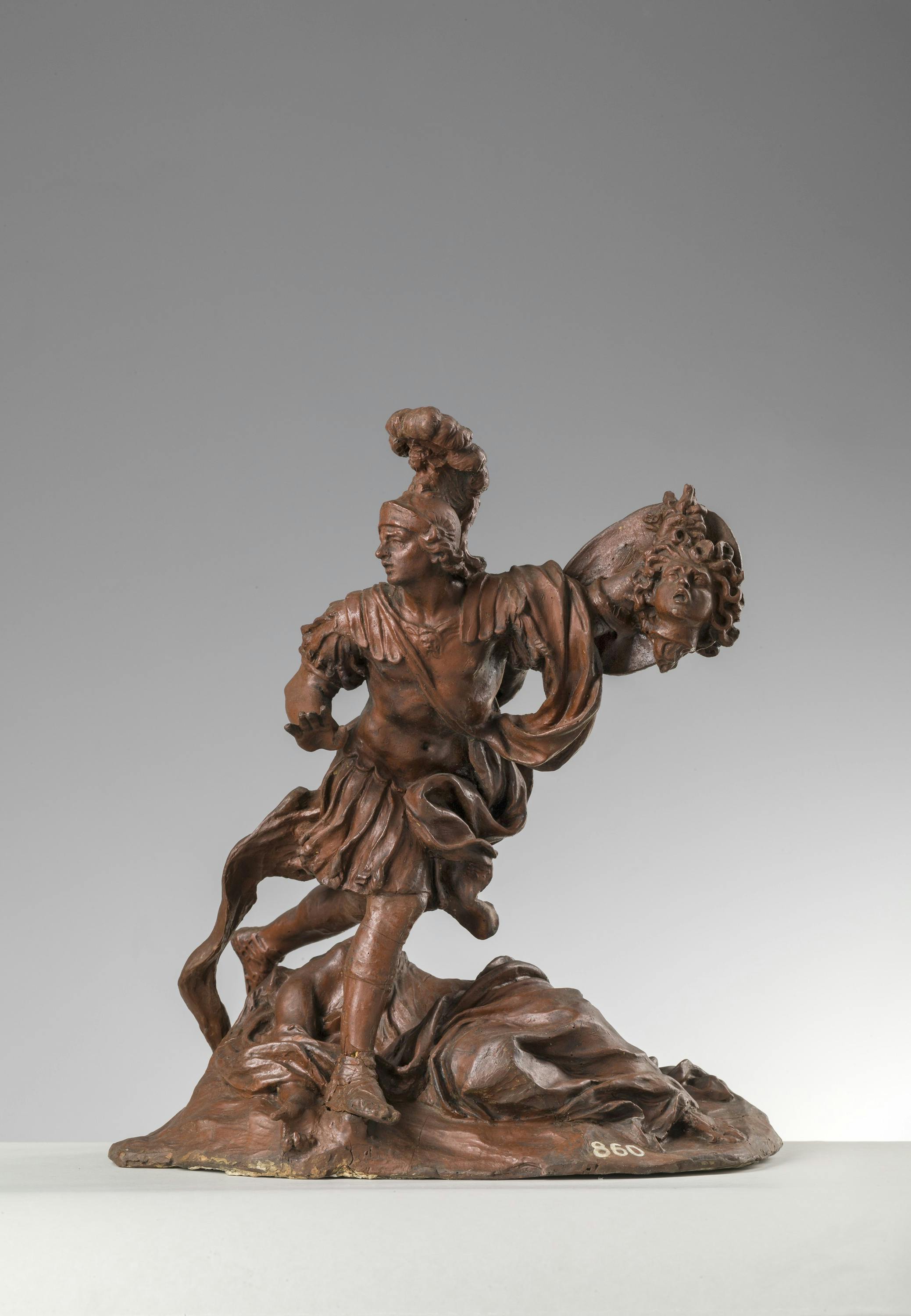
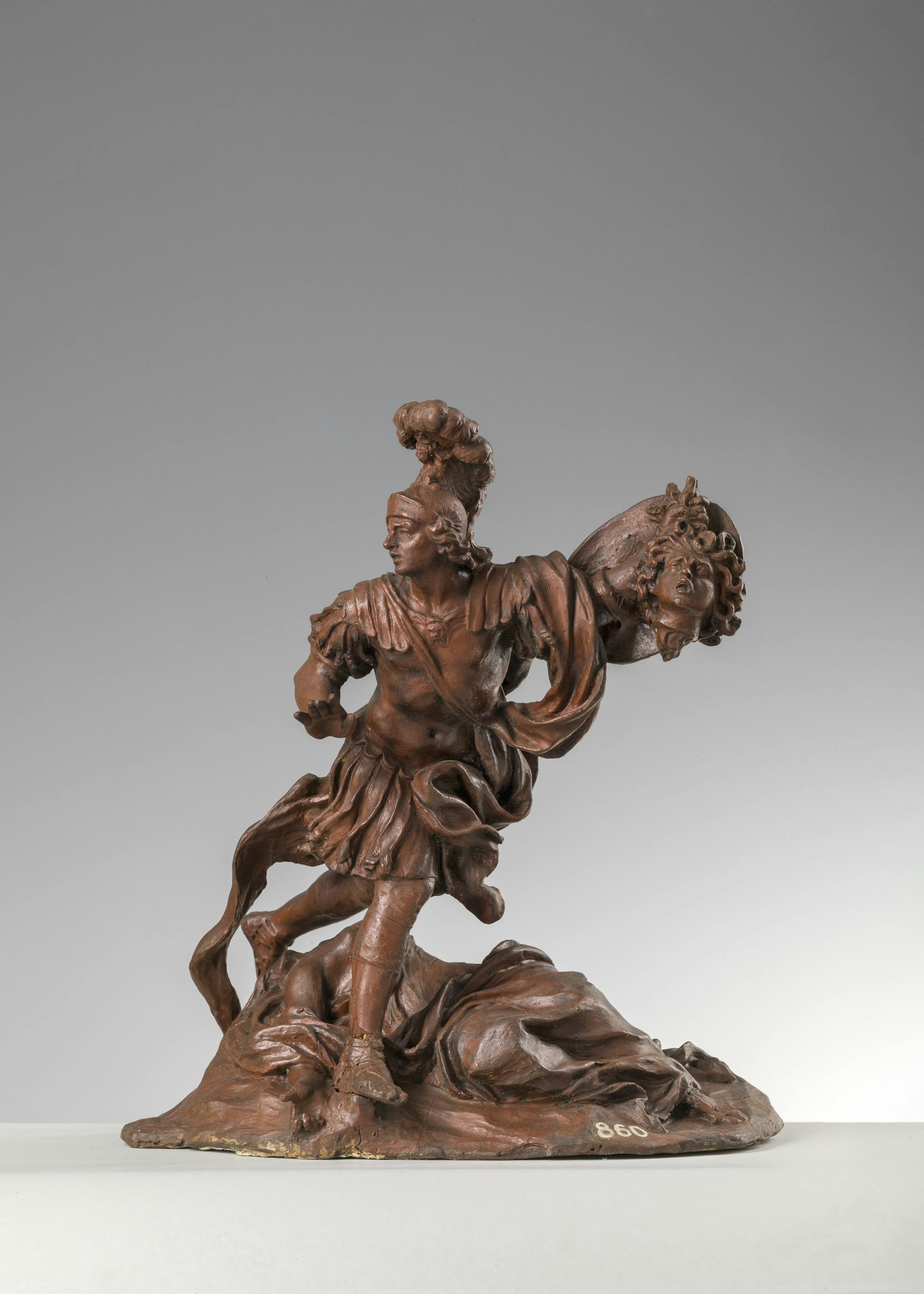
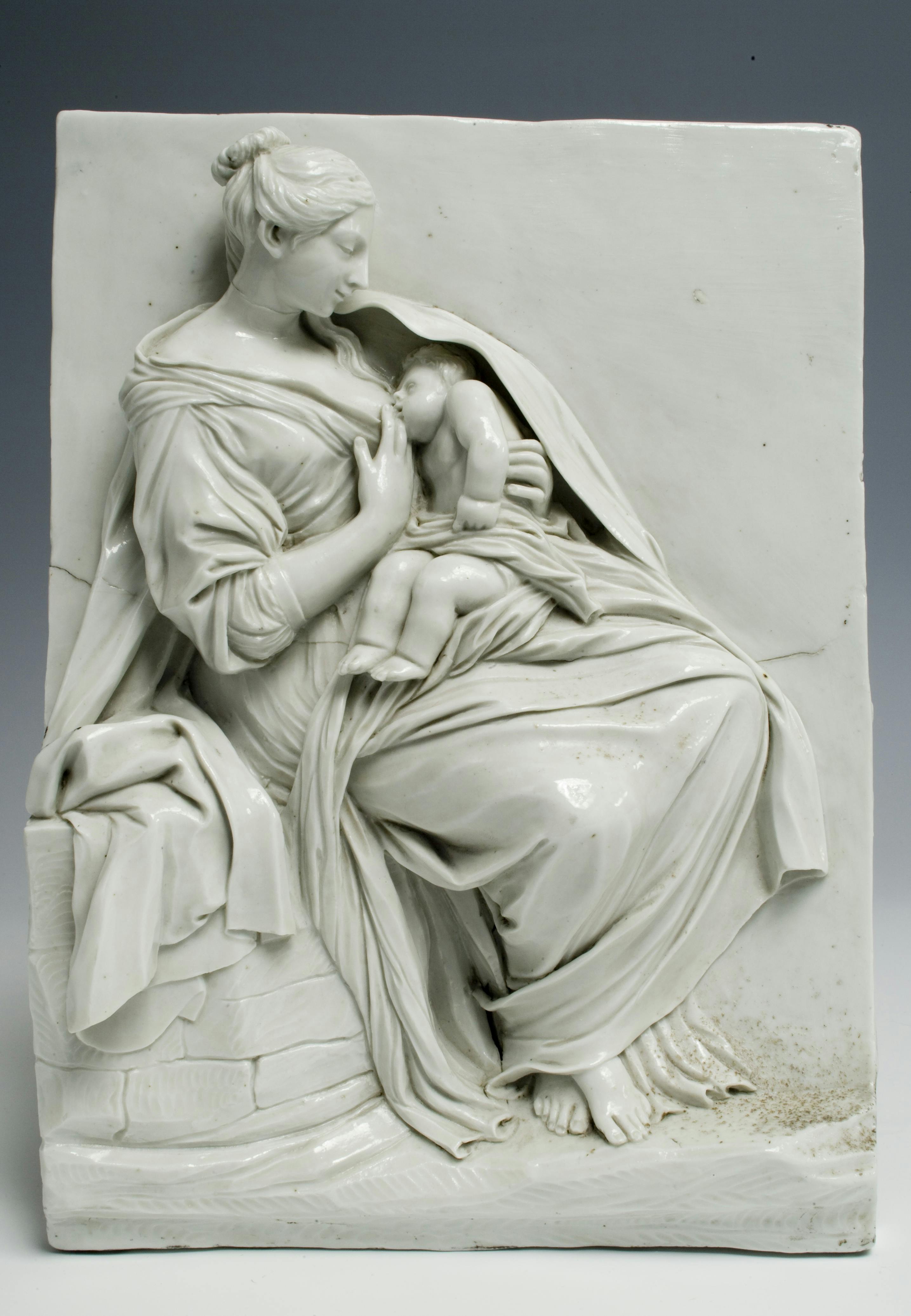
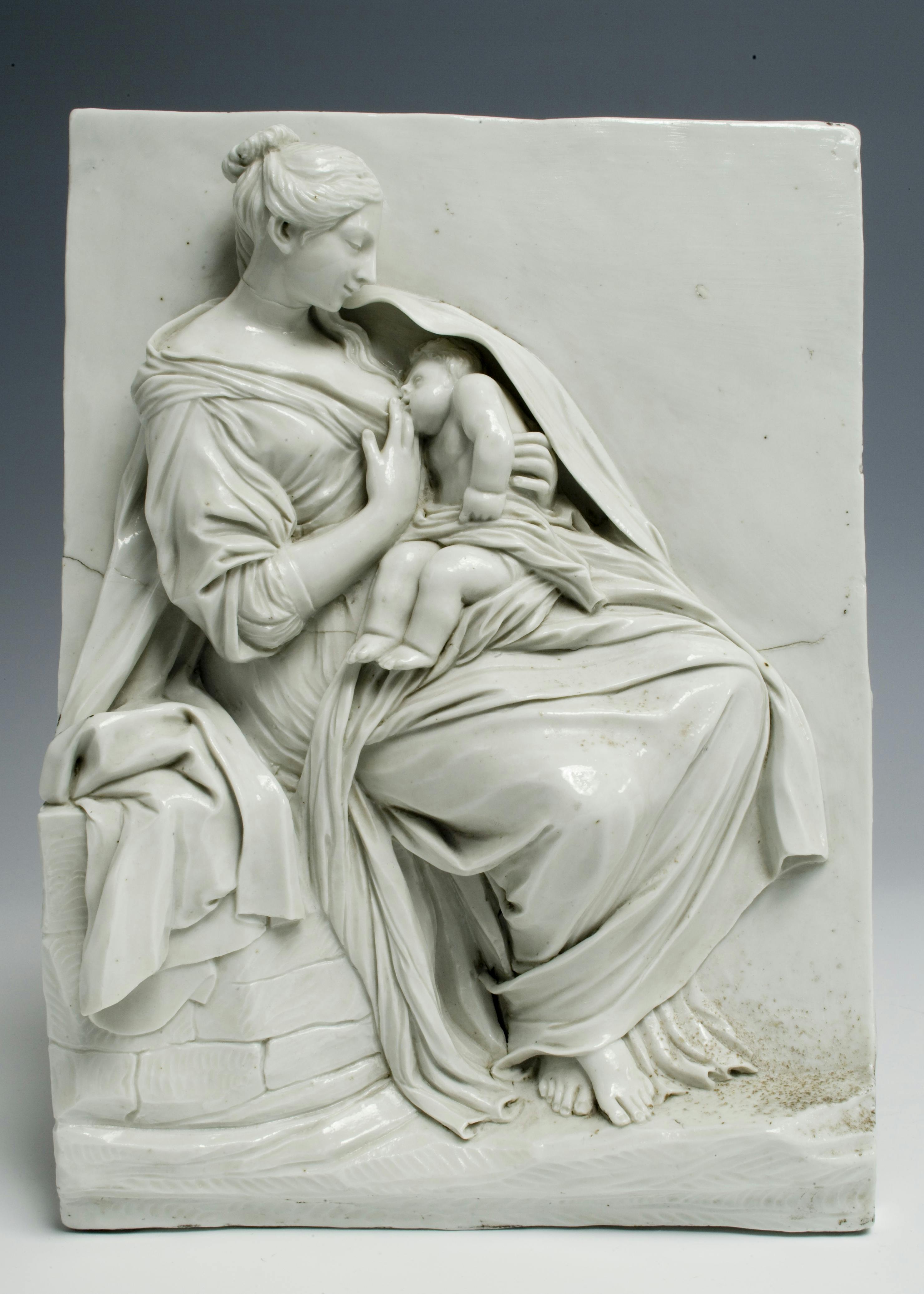
Created around 1750, this white porcelain group depicting David and Goliath is an example of the tradition of the Doccia Manufactory to translate into porcelain compositions originally designed in the workshops of late Baroque Florentine sculptors.
Based on a bronze model created by Giovan Battista Foggini in 1722 and currently housed in the Hermitage Museum in Saint Petersburg, this composition belongs to a series of religious-themed bronze models commissioned by the Palatine Electress Anna Maria Luisa de’ Medici from the leading workshops of late Baroque Florentine sculptors, such as those of Giovan Battista Foggini, Massimiliano Soldani Benzi, and Giuseppe Piamontini, to name a few closely related to the manufactory.
During the leadership of founder Carlo Ginori, some compositions by these sculptors arrived at Doccia either as originals or in the form of molds made by the craftsmen active in the factory. Ginori’s unique choice to reproduce some of these groups in porcelain stemmed from his desire to pay tribute to the enlightened patronage of the now-declined Medici family.
Despite compositional affinities with the Hermitage group, when examining certain details of our composition, we find greater similarities with another version, also attributed to Foggini, documented in Florence in the second half of the eighteenth century and currently in a private collection. It is likely that the forms used in the manufactory for the creation of our piece were derived from this bronze model in 1745 by the sculptor and medallist Antonio Selvi.
The Museo Ginori preserves both the wax mold and a plaster example of this sculpture.
- 01
Created around 1750, this white porcelain group depicting David and Goliath is an example of the tradition of the Doccia Manufactory to translate into porcelain compositions originally designed in the workshops of late Baroque Florentine sculptors.
Based on a bronze model created by Giovan Battista Foggini in 1722 and currently housed in the Hermitage Museum in Saint Petersburg, this composition belongs to a series of religious-themed bronze models commissioned by the Palatine Electress Anna Maria Luisa de’ Medici from the leading workshops of late Baroque Florentine sculptors, such as those of Giovan Battista Foggini, Massimiliano Soldani Benzi, and Giuseppe Piamontini, to name a few closely related to the manufactory.
During the leadership of founder Carlo Ginori, some compositions by these sculptors arrived at Doccia either as originals or in the form of molds made by the craftsmen active in the factory. Ginori’s unique choice to reproduce some of these groups in porcelain stemmed from his desire to pay tribute to the enlightened patronage of the now-declined Medici family.
Despite compositional affinities with the Hermitage group, when examining certain details of our composition, we find greater similarities with another version, also attributed to Foggini, documented in Florence in the second half of the eighteenth century and currently in a private collection. It is likely that the forms used in the manufactory for the creation of our piece were derived from this bronze model in 1745 by the sculptor and medallist Antonio Selvi.
The Museo Ginori preserves both the wax mold and a plaster example of this sculpture.