Perseus with the head of Medusa
By Giovan Battista Foggini
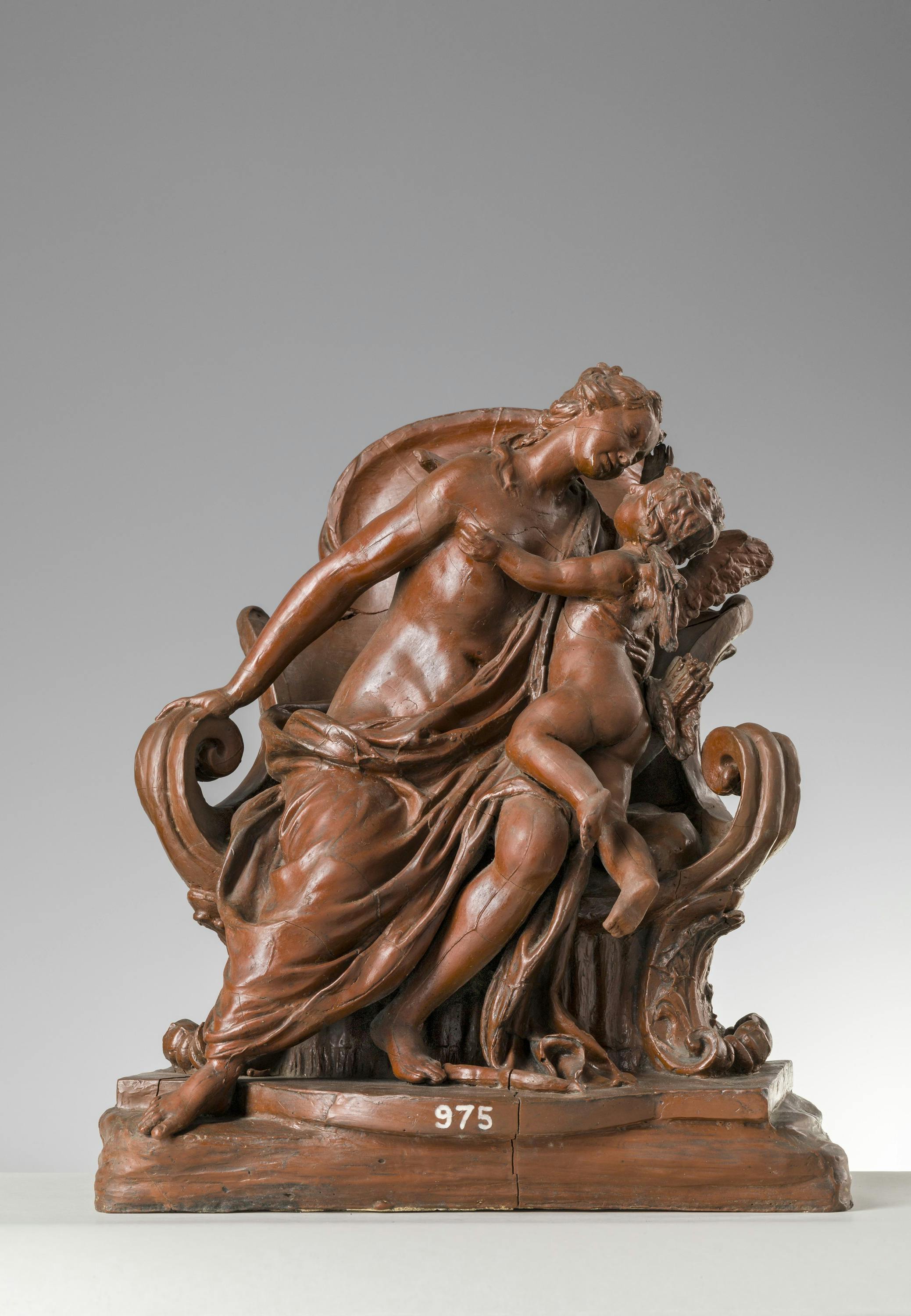
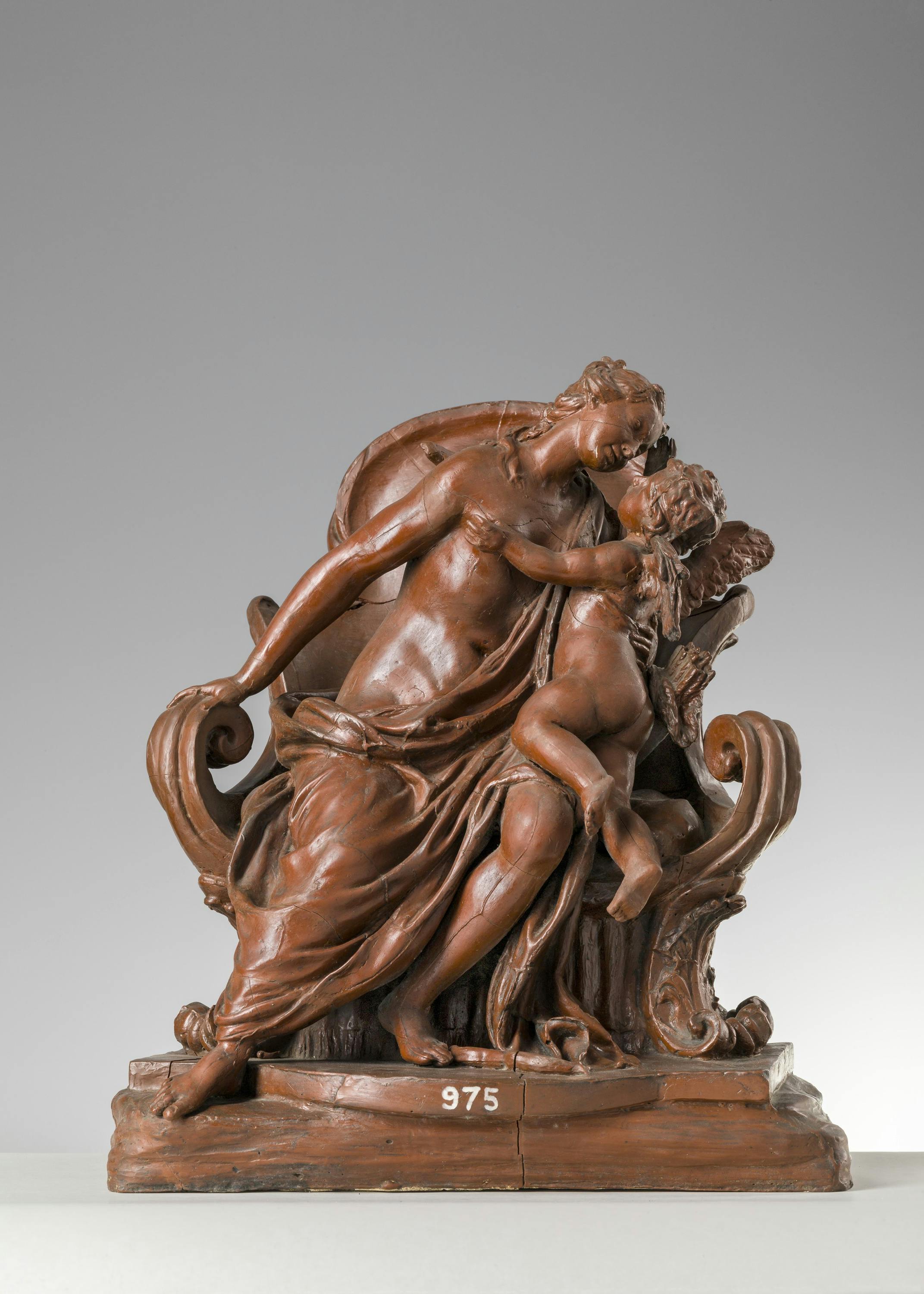
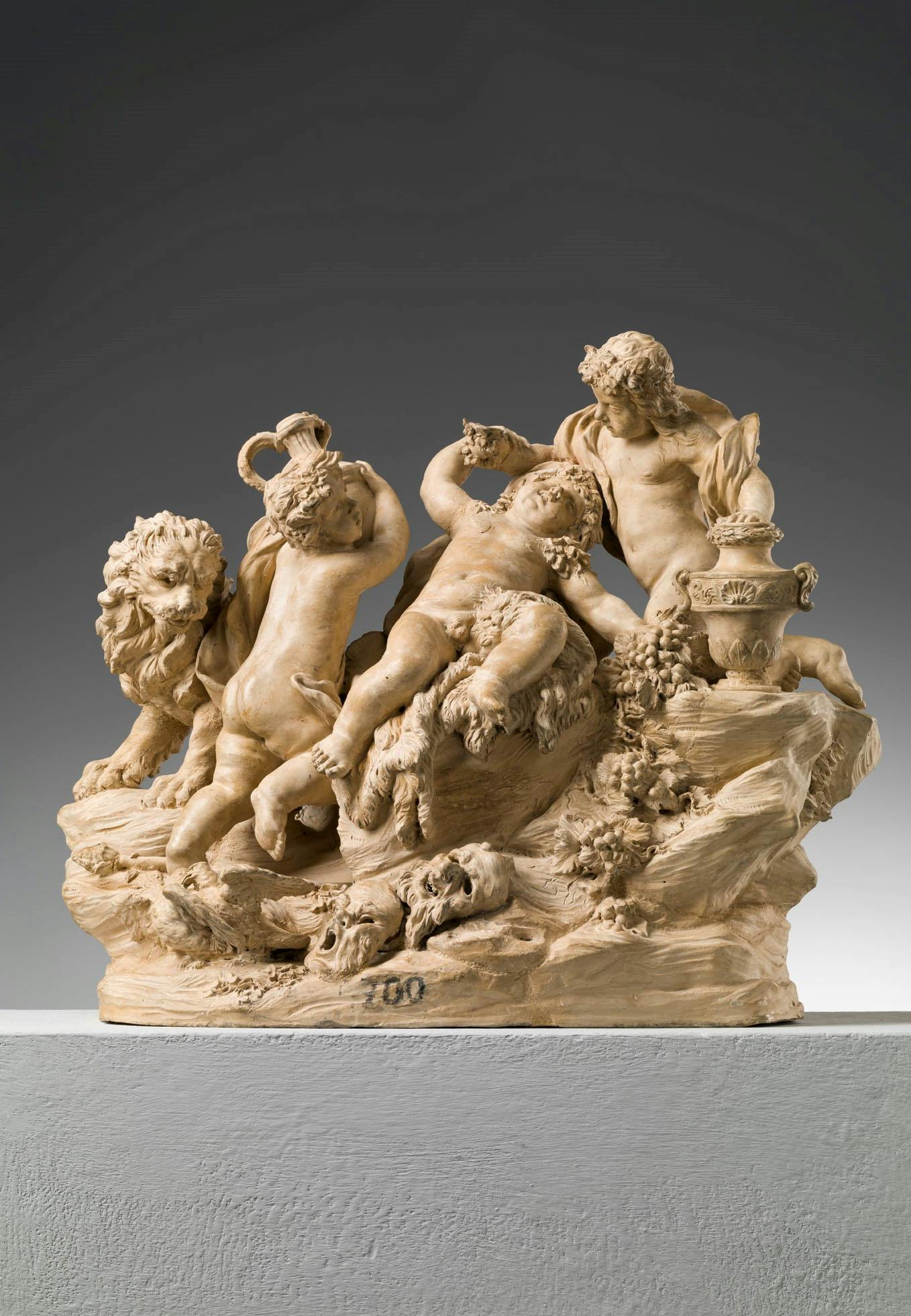
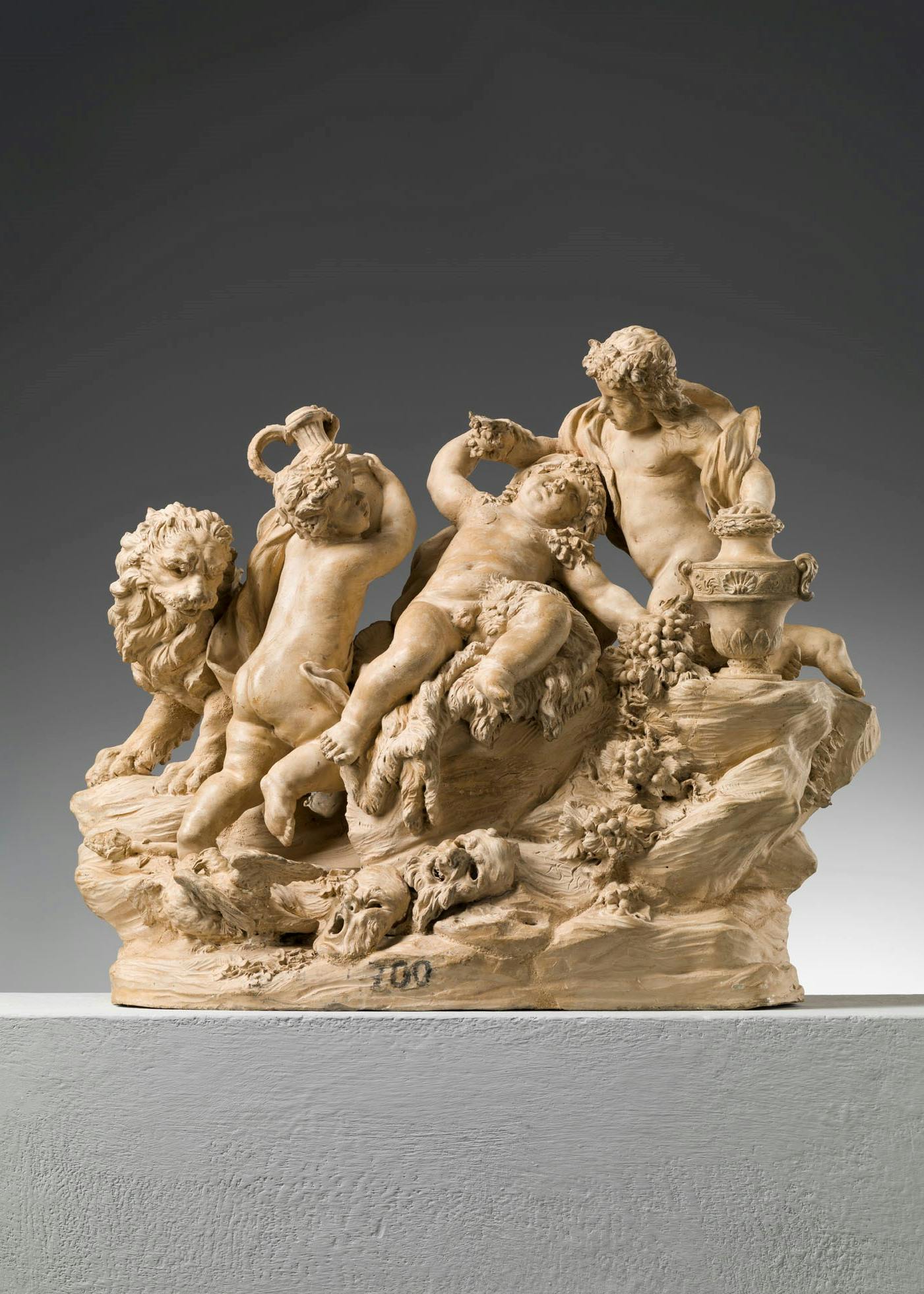
The extraordinary importance of the collection of wax models produced for the use of the Manifattura di Doccia in the study of late Baroque Florentine sculpture is also due to the presence of specimens that to date constitute the only testimony of the activity of the grand ducal workshops, such as those of Giovan Battista Foggini, Massimiliano Soldani Benzi, and Giuseppe Piamontini.
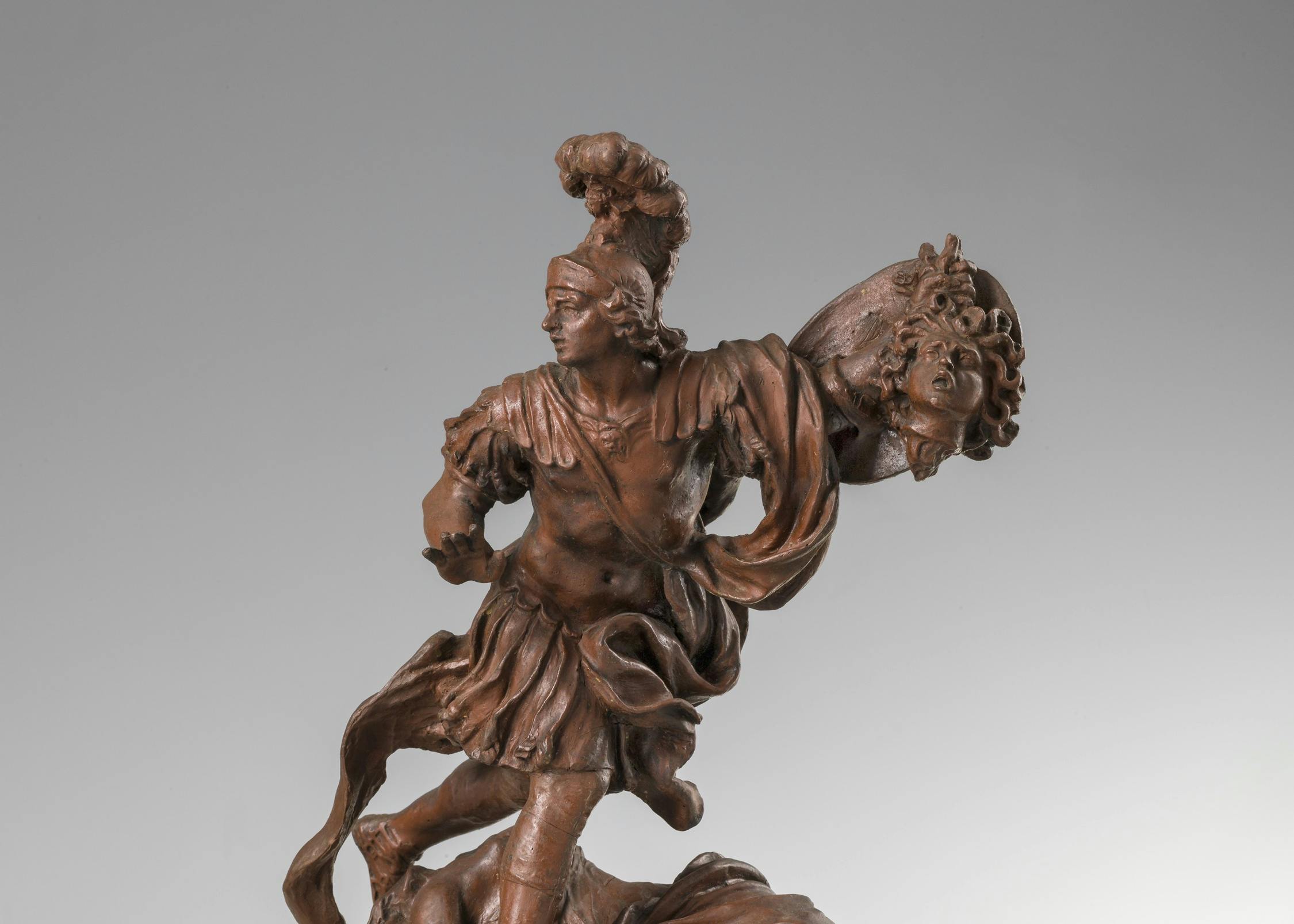
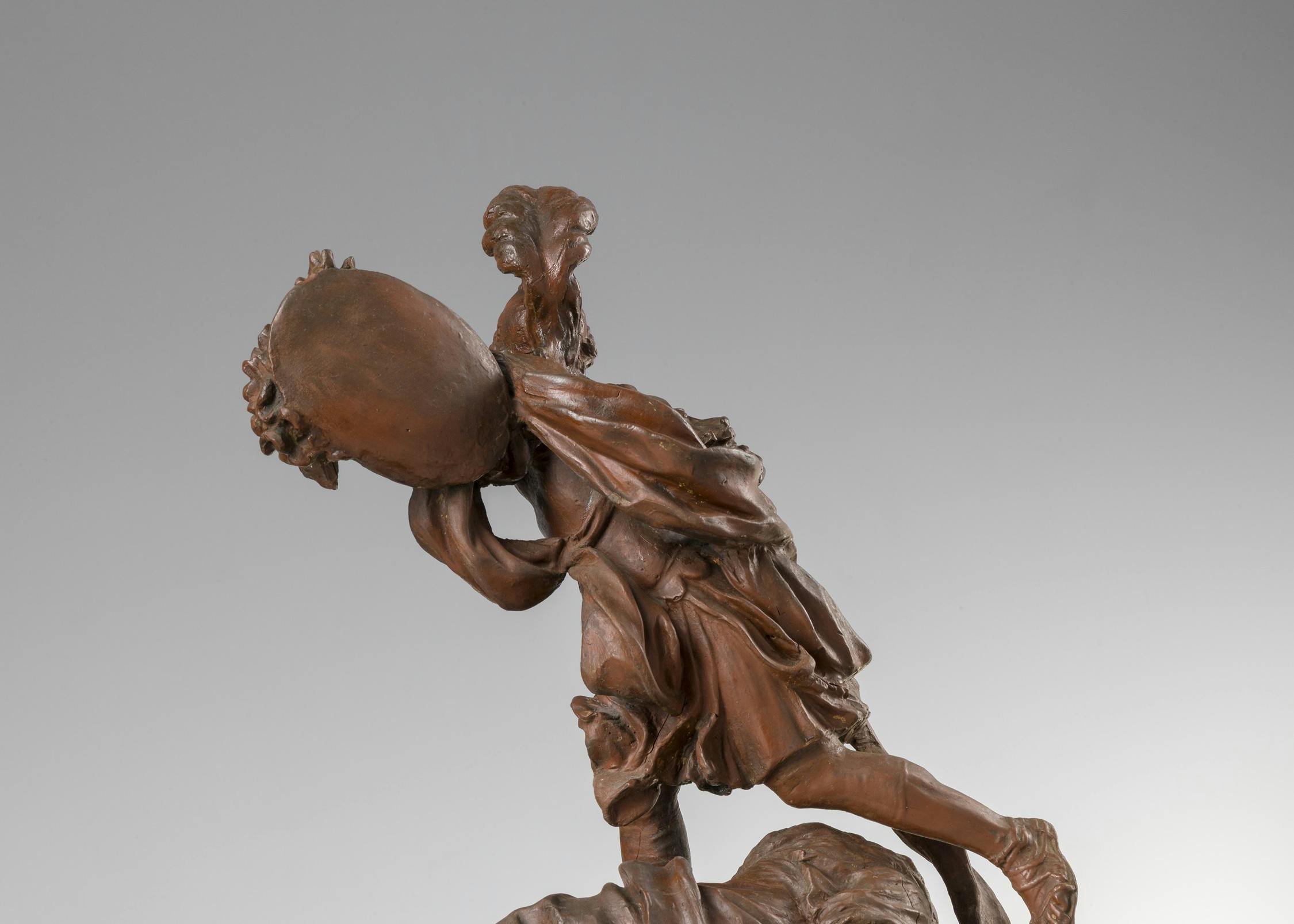
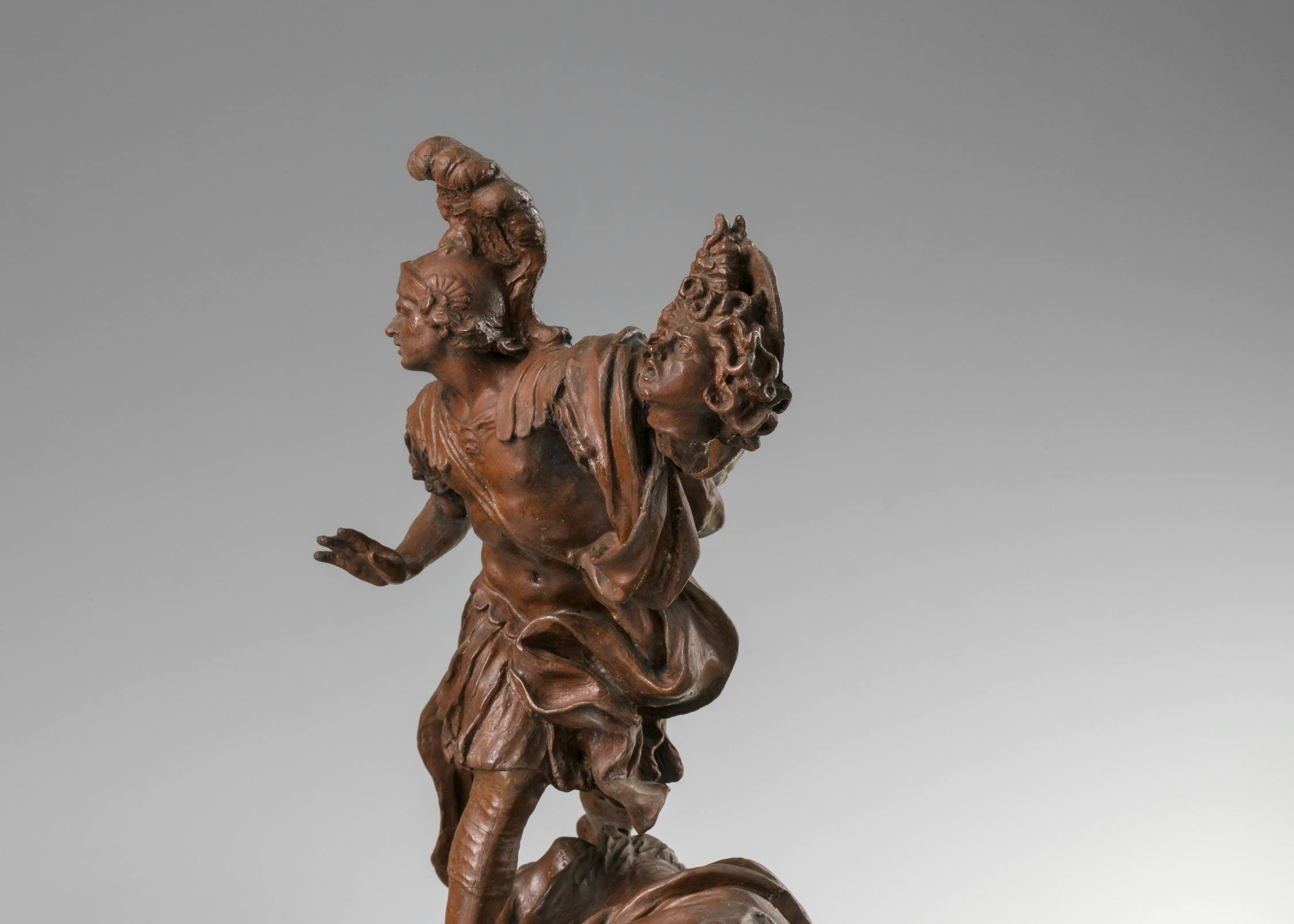
This is the case of Perseo with the head of Medusa by Foggini, whose original model of derivation is unknown. The wax translation was made in 1750 by his son Vincenzo, who produced numerous casts of inventive compositions by his father for the manufactory. The specimen is a variant of the iconographic subject already addressed by Giovan Battista in the small bronze for Grand Prince Ferdinando de’ Medici, of which two versions are known, one at the Harvard Art Museums and the other at the Art Gallery of Ontario in Toronto.
While for this bronze version the artist chose to freeze the moment immediately before the action, in our specimen he shifts the focus to the following moment, showing Perseus in the act of fleeing with the Gorgon's head. No porcelain derivatives of this group made by the Manifattura di Doccia are known today.
- 01
- 02
Perseus with the Head of Medusa, by Giovan Battista Foggini
- 03
Perseus with the Head of Medusa, by Giovan Battista Foggini
The extraordinary importance of the collection of wax models produced for the use of the Manifattura di Doccia in the study of late Baroque Florentine sculpture is also due to the presence of specimens that to date constitute the only testimony of the activity of the grand ducal workshops, such as those of Giovan Battista Foggini, Massimiliano Soldani Benzi, and Giuseppe Piamontini.
This is the case of Perseo with the head of Medusa by Foggini, whose original model of derivation is unknown. The wax translation was made in 1750 by his son Vincenzo, who produced numerous casts of inventive compositions by his father for the manufactory. The specimen is a variant of the iconographic subject already addressed by Giovan Battista in the small bronze for Grand Prince Ferdinando de’ Medici, of which two versions are known, one at the Harvard Art Museums and the other at the Art Gallery of Ontario in Toronto.
While for this bronze version the artist chose to freeze the moment immediately before the action, in our specimen he shifts the focus to the following moment, showing Perseus in the act of fleeing with the Gorgon's head. No porcelain derivatives of this group made by the Manifattura di Doccia are known today.