Cupid and Psyche
Giovan Battista Vannetti, da Massimiliano Soldani Benzi, with variations
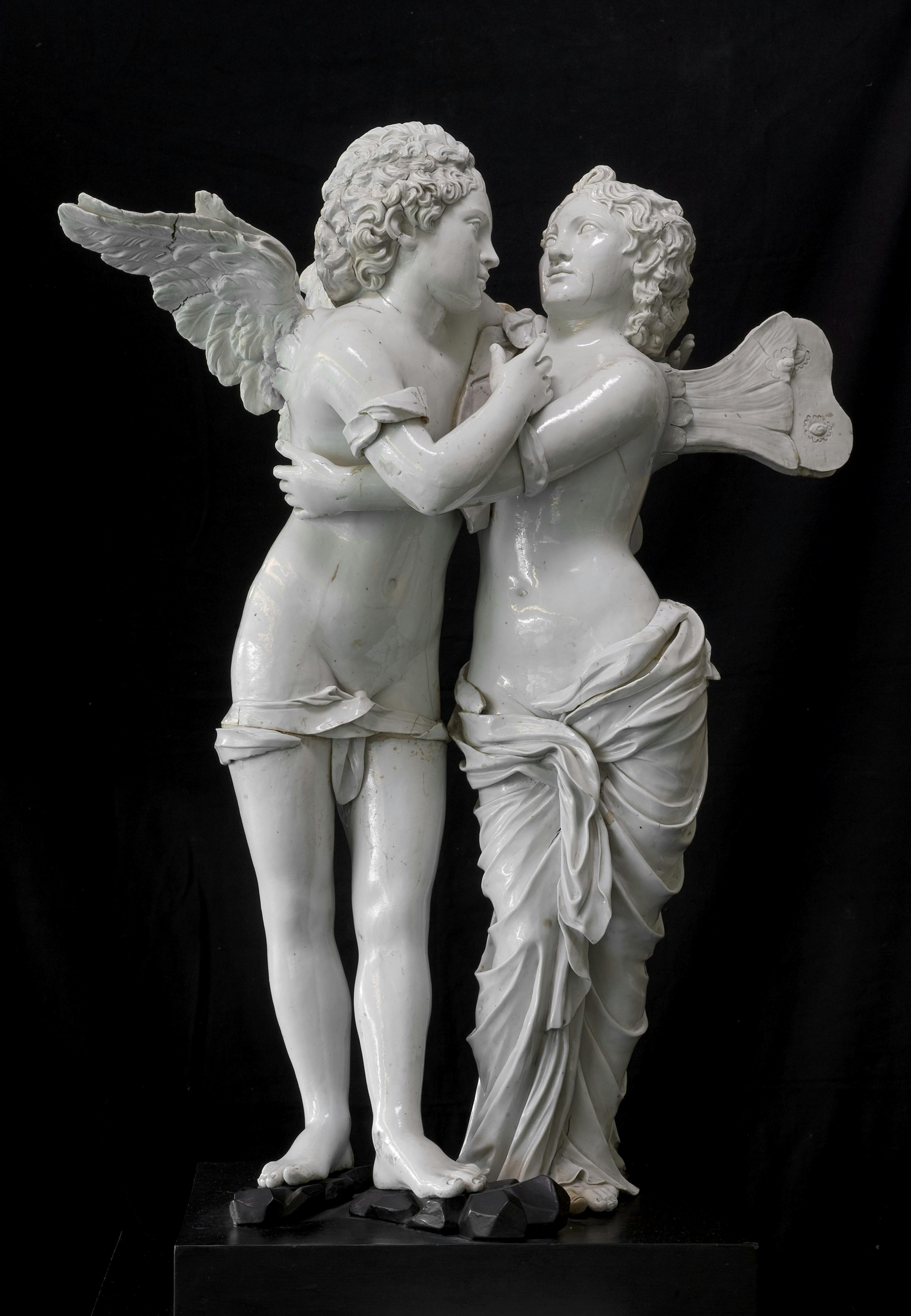
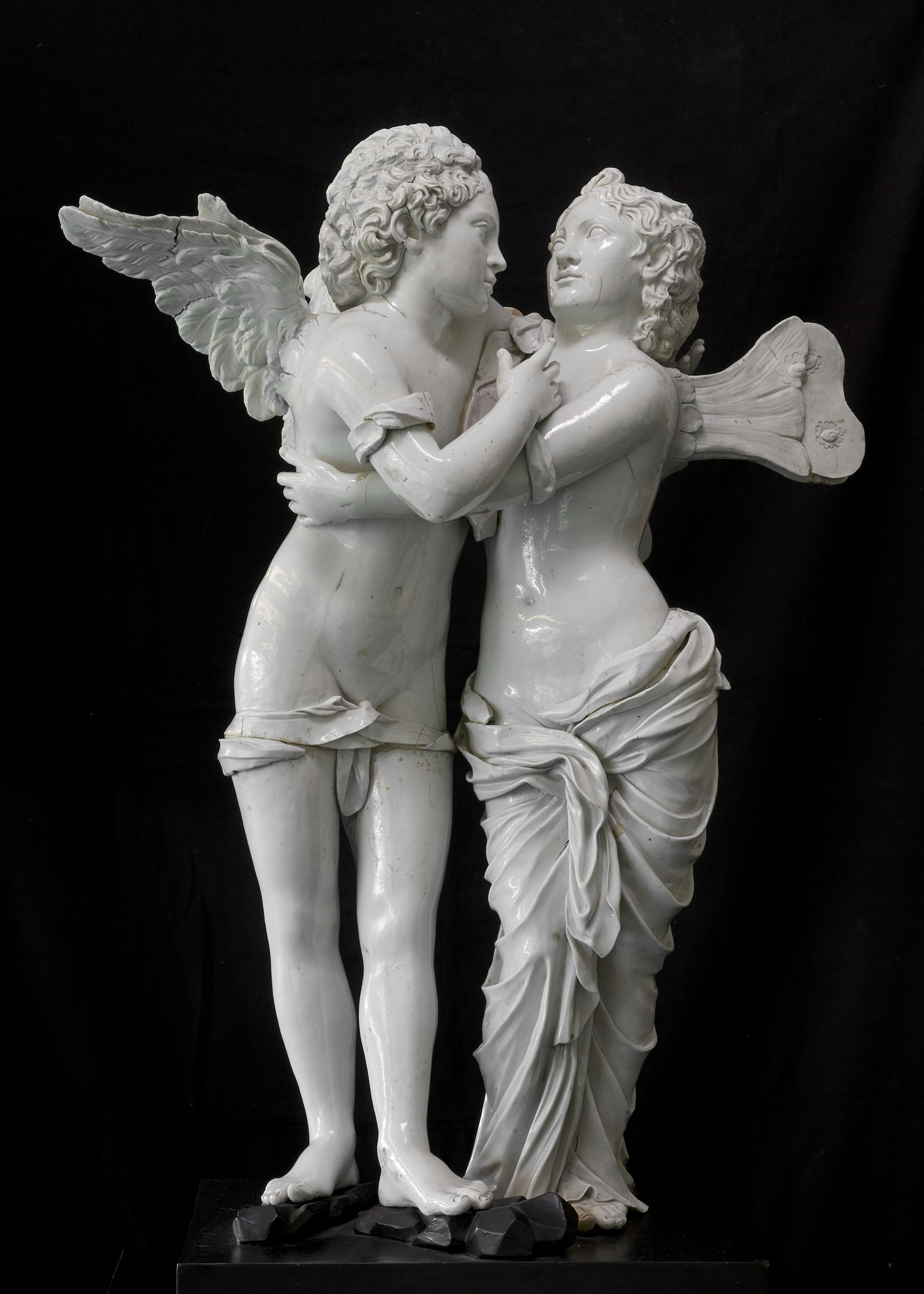
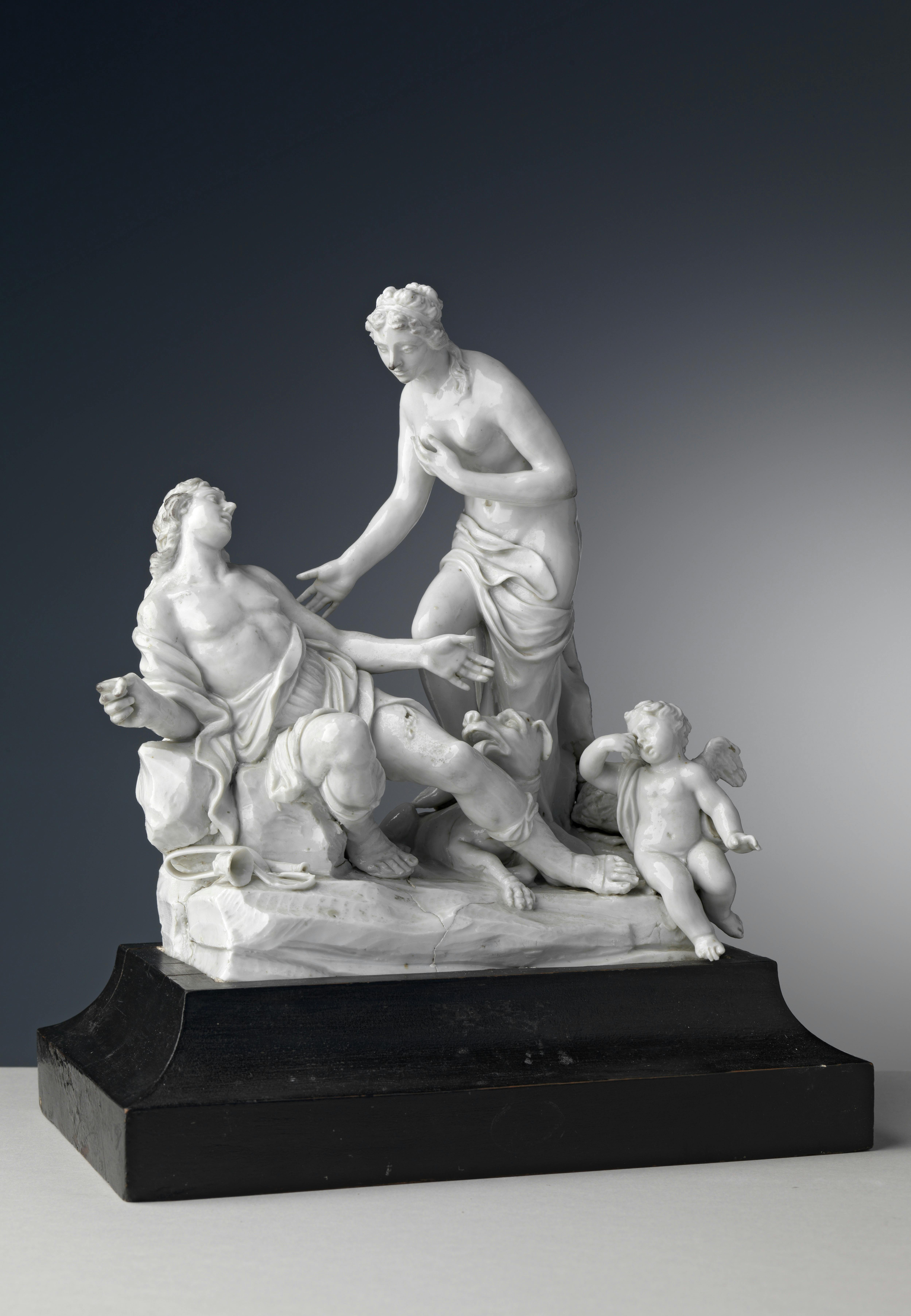
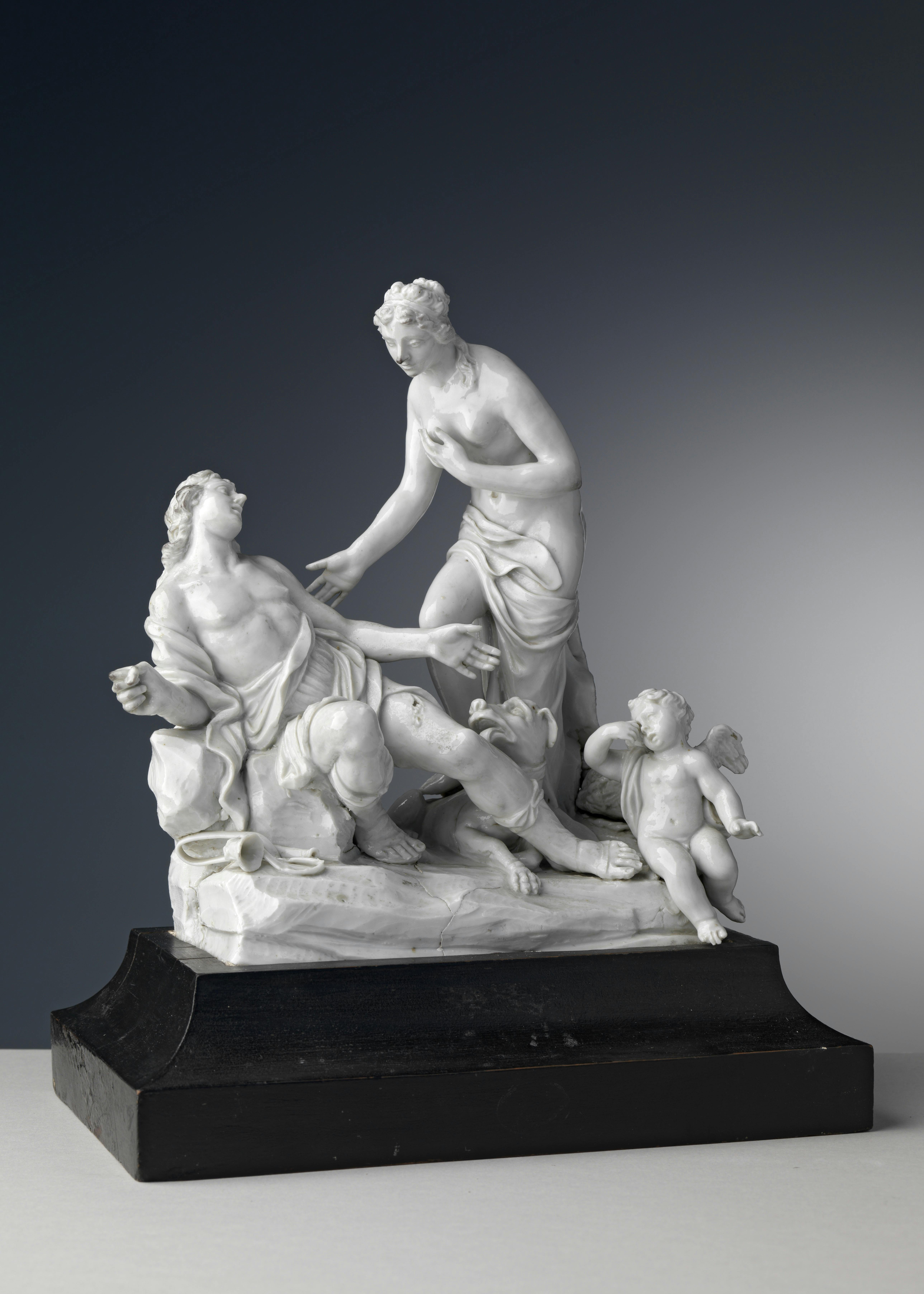
This wax model depicting the group Amore e Psiche invented by Massimiliano Soldani Benzi (1720) is part of the precious collection of models derived from archetypes in bronze of late Baroque Florentine sculpture purchased by Marquis Carlo Ginori for his manufactory.
Mentioned in the eighteenth-century Inventory of Models of the Doccia Manufactory along with its molds, our example shows a correspondence, albeit with variations, with the bronze statuette currently preserved at the Skulpturensammlung und Museum für Byzantinische Kunst in Berlin. Compared to the latter, the absence of the terminal part of the fluttering drapery placed behind the figure of Psyche is evident, which leads to hypothesizing its derivation from the plaster molds also used for the execution of the bronze statuette, to which, during processing, the described modifications were made.
It is known that Giovan Battista Vannetti, a pupil of Soldani, made wax molds for the Ginori Manufactory from the master's works and therefore, we can hypothesize that he is also the author of this example. Some porcelain translations of Amore e Psiche are known to have been produced by the Doccia Manufactory, including one dating to 1750 from the collection of Marquis Emanuele Taparelli d’Azeglio, now preserved at the Museo Civico of Turin.
- 01
- 02
Love and Psyche, after Massimiliano Soldani Benzi, with variations
- 03
Love and Psyche, after Massimiliano Soldani Benzi, with variations
- 04
Love and Psyche, after Massimiliano Soldani Benzi, with variations
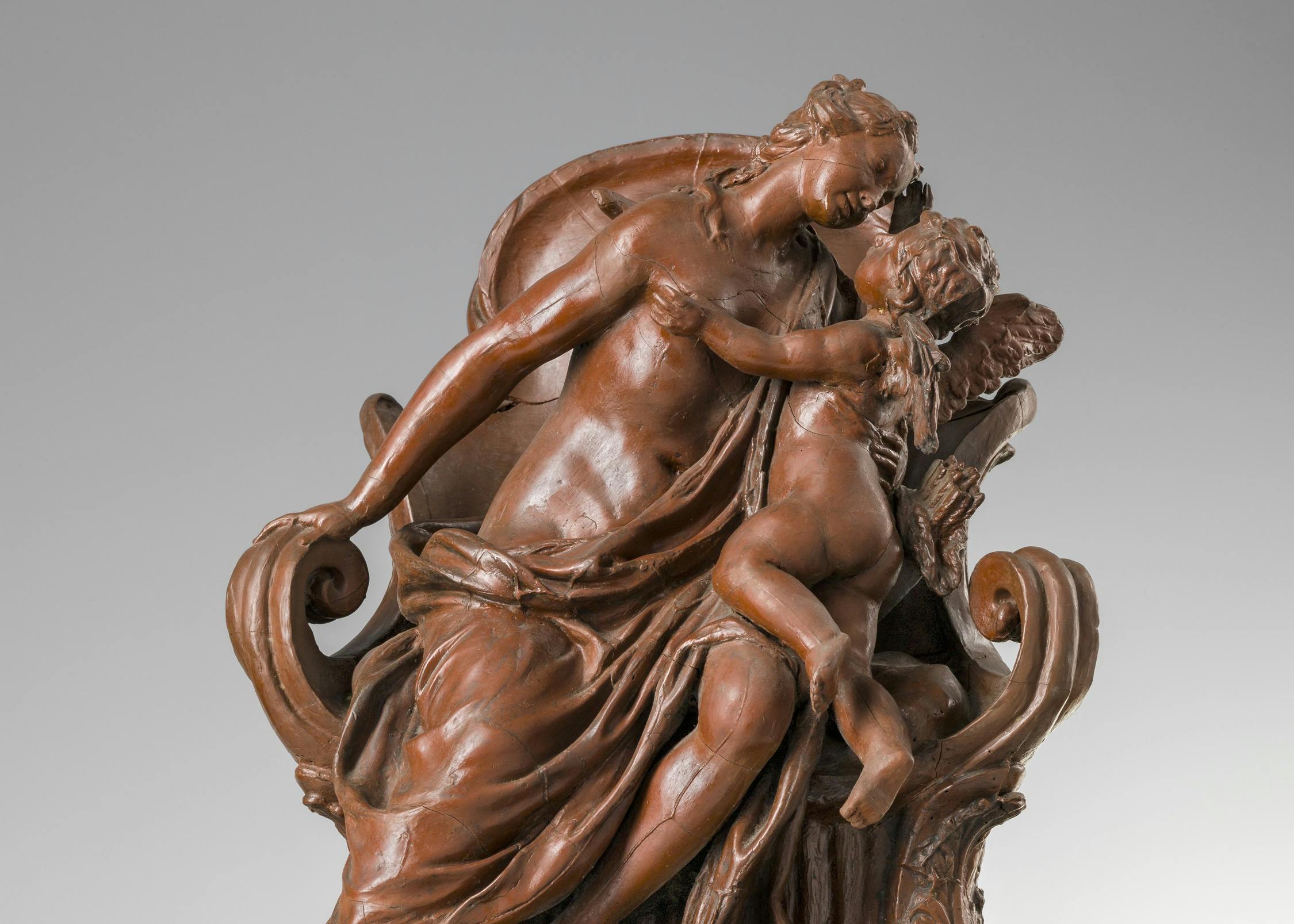
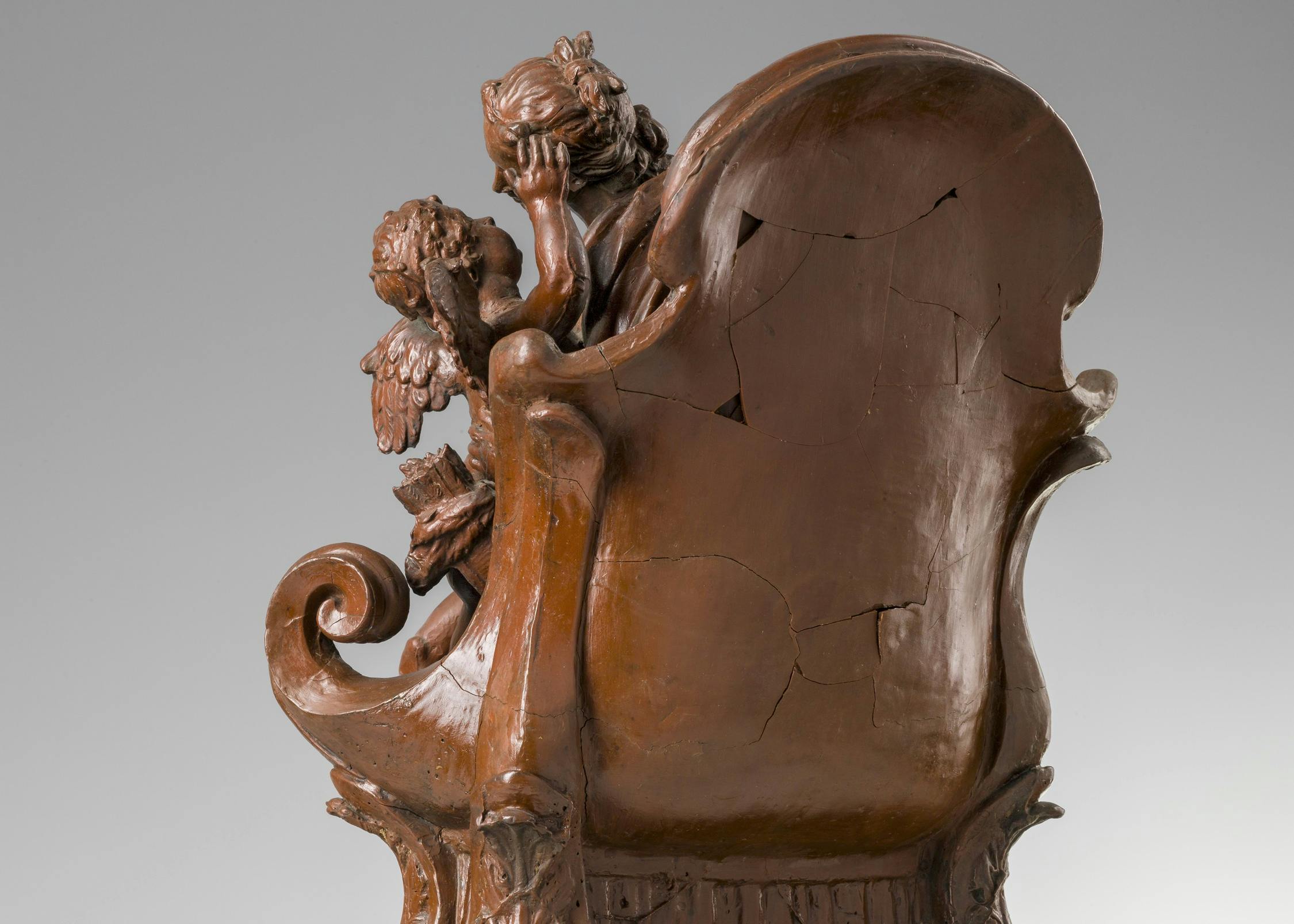
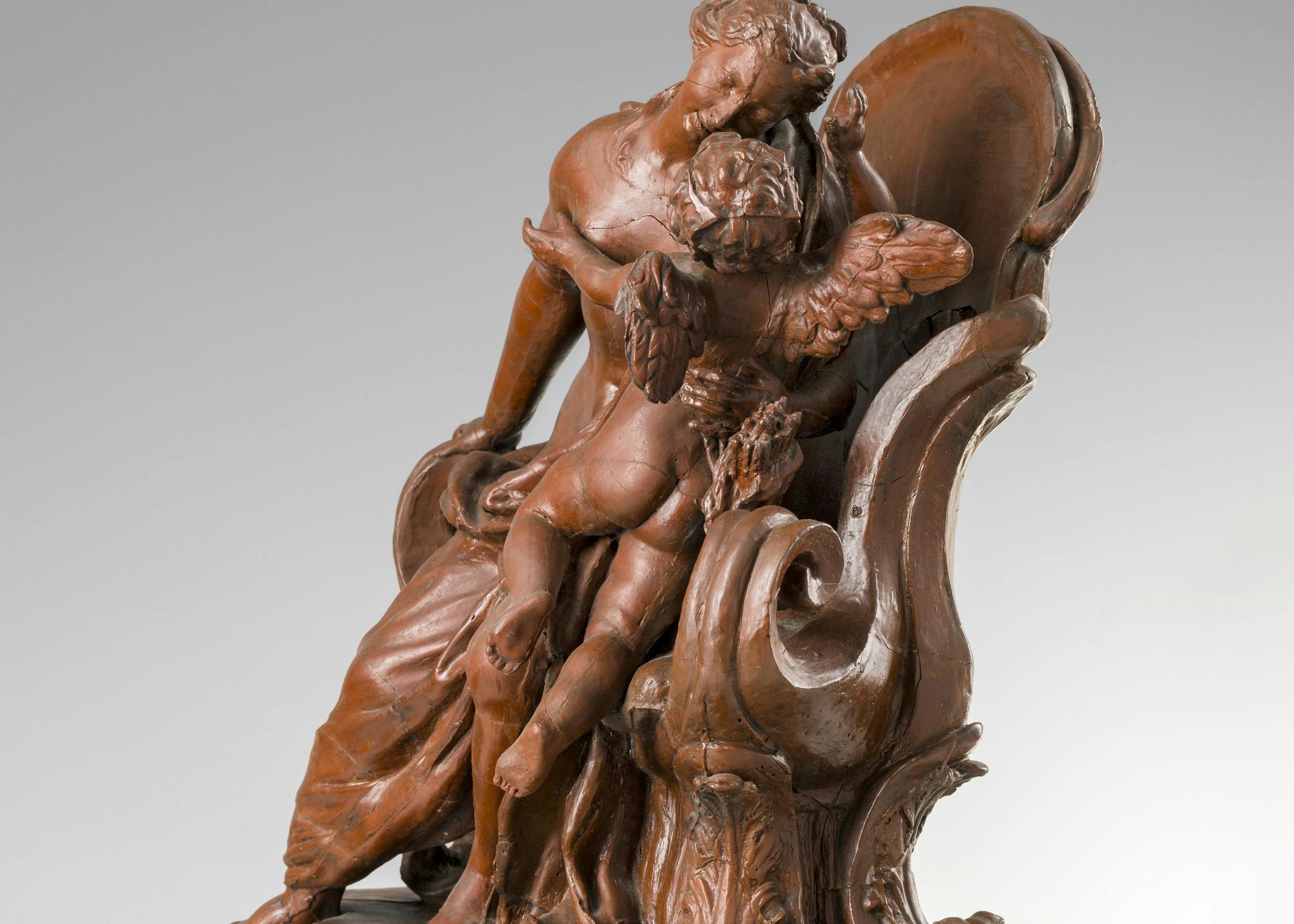
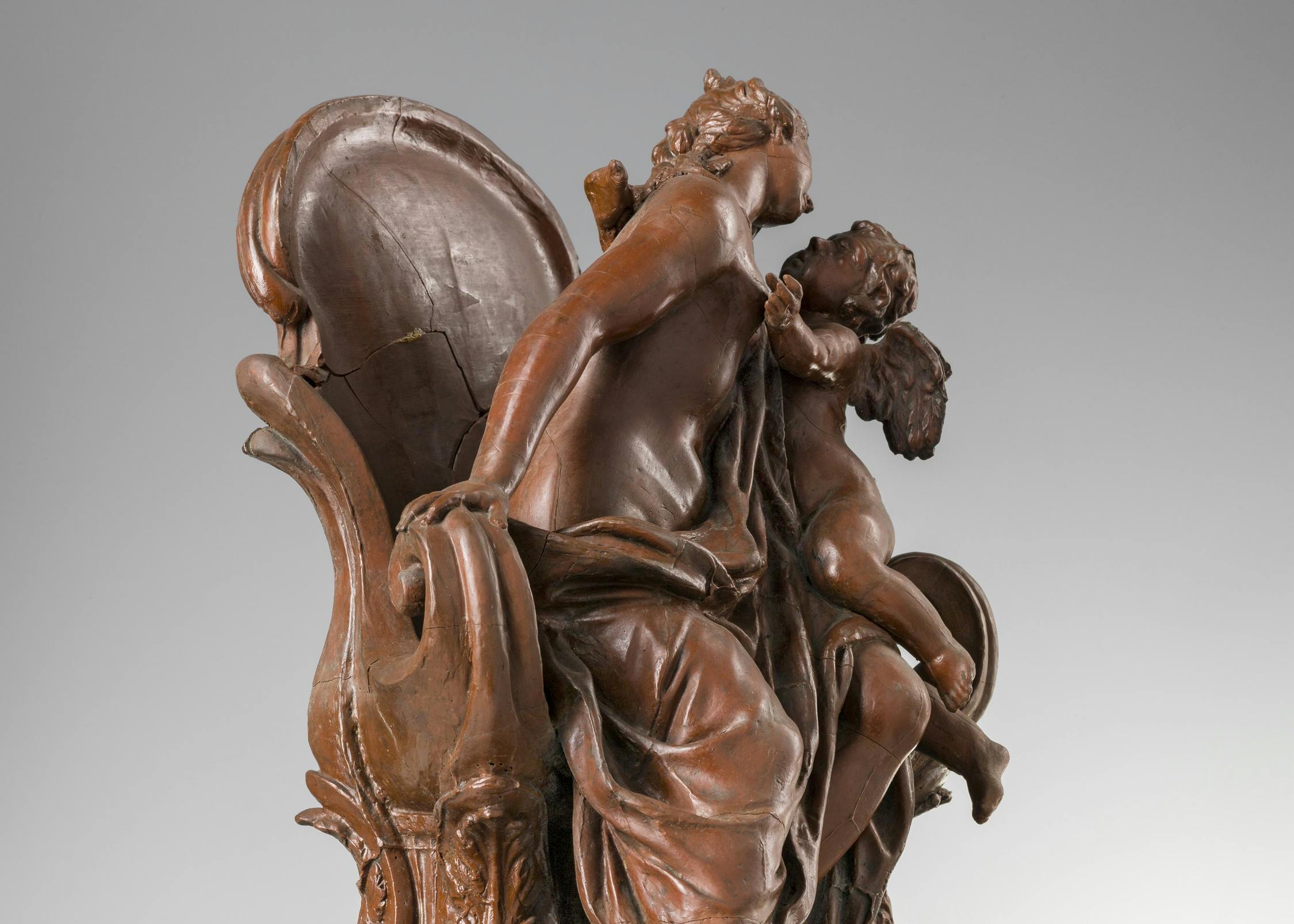
This wax model depicting the group Amore e Psiche invented by Massimiliano Soldani Benzi (1720) is part of the precious collection of models derived from archetypes in bronze of late Baroque Florentine sculpture purchased by Marquis Carlo Ginori for his manufactory.
Mentioned in the eighteenth-century Inventory of Models of the Doccia Manufactory along with its molds, our example shows a correspondence, albeit with variations, with the bronze statuette currently preserved at the Skulpturensammlung und Museum für Byzantinische Kunst in Berlin. Compared to the latter, the absence of the terminal part of the fluttering drapery placed behind the figure of Psyche is evident, which leads to hypothesizing its derivation from the plaster molds also used for the execution of the bronze statuette, to which, during processing, the described modifications were made.
It is known that Giovan Battista Vannetti, a pupil of Soldani, made wax molds for the Ginori Manufactory from the master's works and therefore, we can hypothesize that he is also the author of this example. Some porcelain translations of Amore e Psiche are known to have been produced by the Doccia Manufactory, including one dating to 1750 from the collection of Marquis Emanuele Taparelli d’Azeglio, now preserved at the Museo Civico of Turin.