Drunken Bacchus
Massimiliano Soldani Benzi
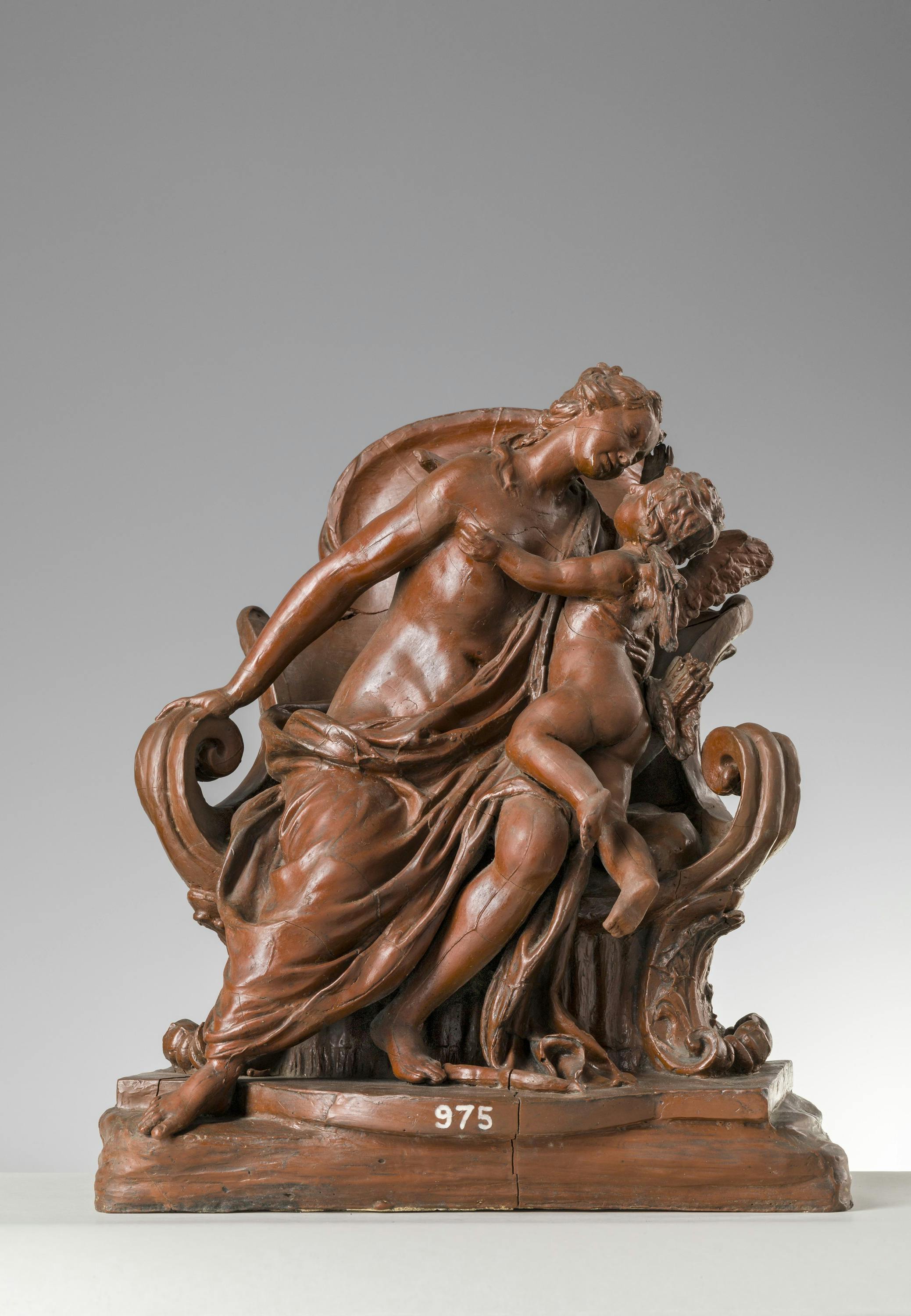
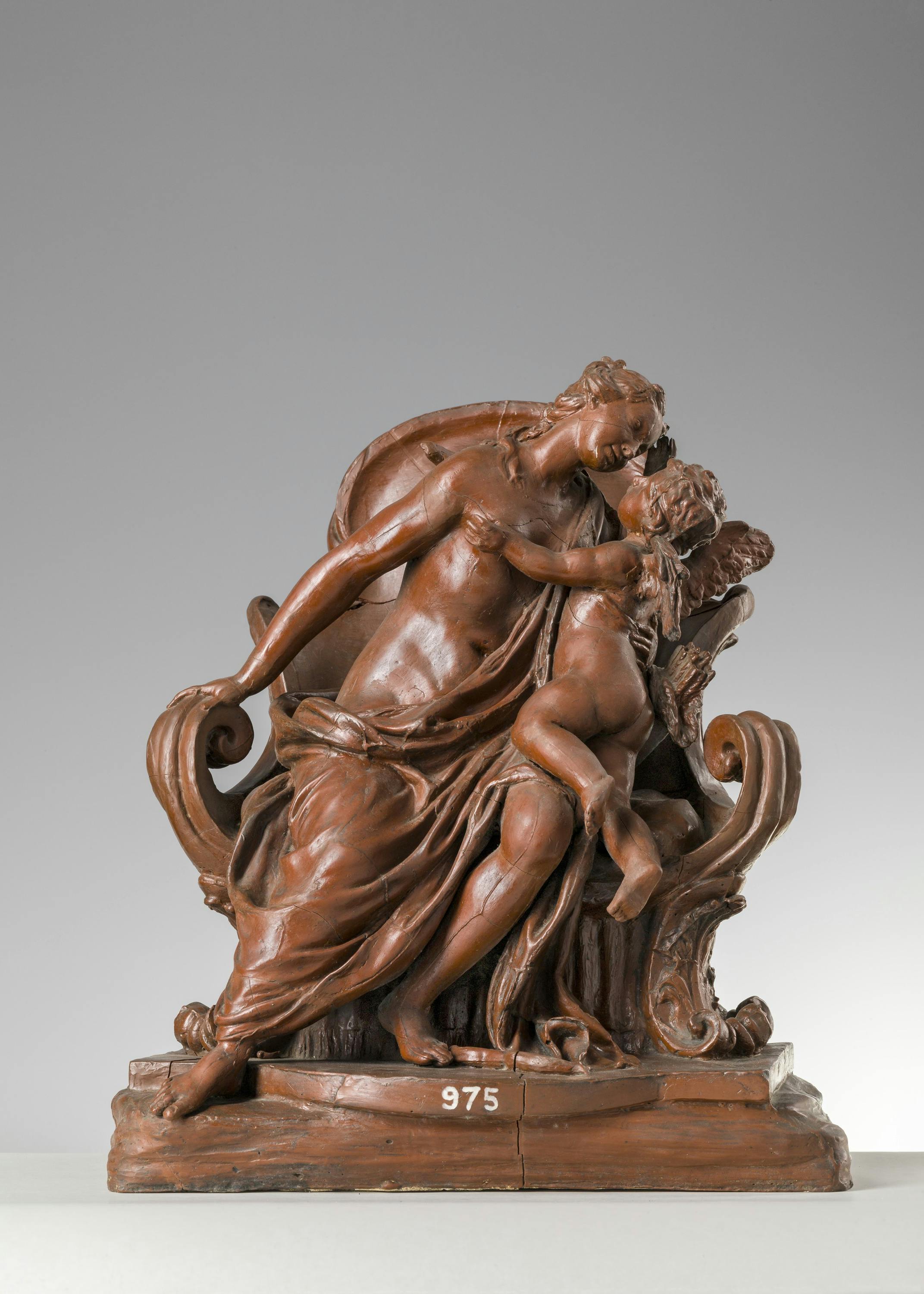
Carlo Ginori’s interest in late Baroque Florentine sculptural production is confirmed by the collection of models acquired by the Doccia Manufactory in the eighteenth century and today preserved at the Ginori Museum. Some of these autograph models by master sculptors are particularly precious because they represent the only testimony to compositions of their invention to date. This is the case with the extraordinary quality terracotta group depicting the Drunken Bacchus Child modelled by Massimiliano Soldani Benzi in 1695 and donated by him to Marquis Clemente di Giulio Vitelli. Inherited by the latter’s nephew, it was sold by him to Carlo Ginori in 1752.
As in the case of the Sacrifice of Isaac modelled in terracotta by Giuseppe Piamontini, with interventions from the workshop, the Drunken Bacchus Child is also an example of pieces created to be translated into bronze and purchased by Marquis Carlo Ginori for “factory use,” that is, to be converted entirely or partially into porcelain.
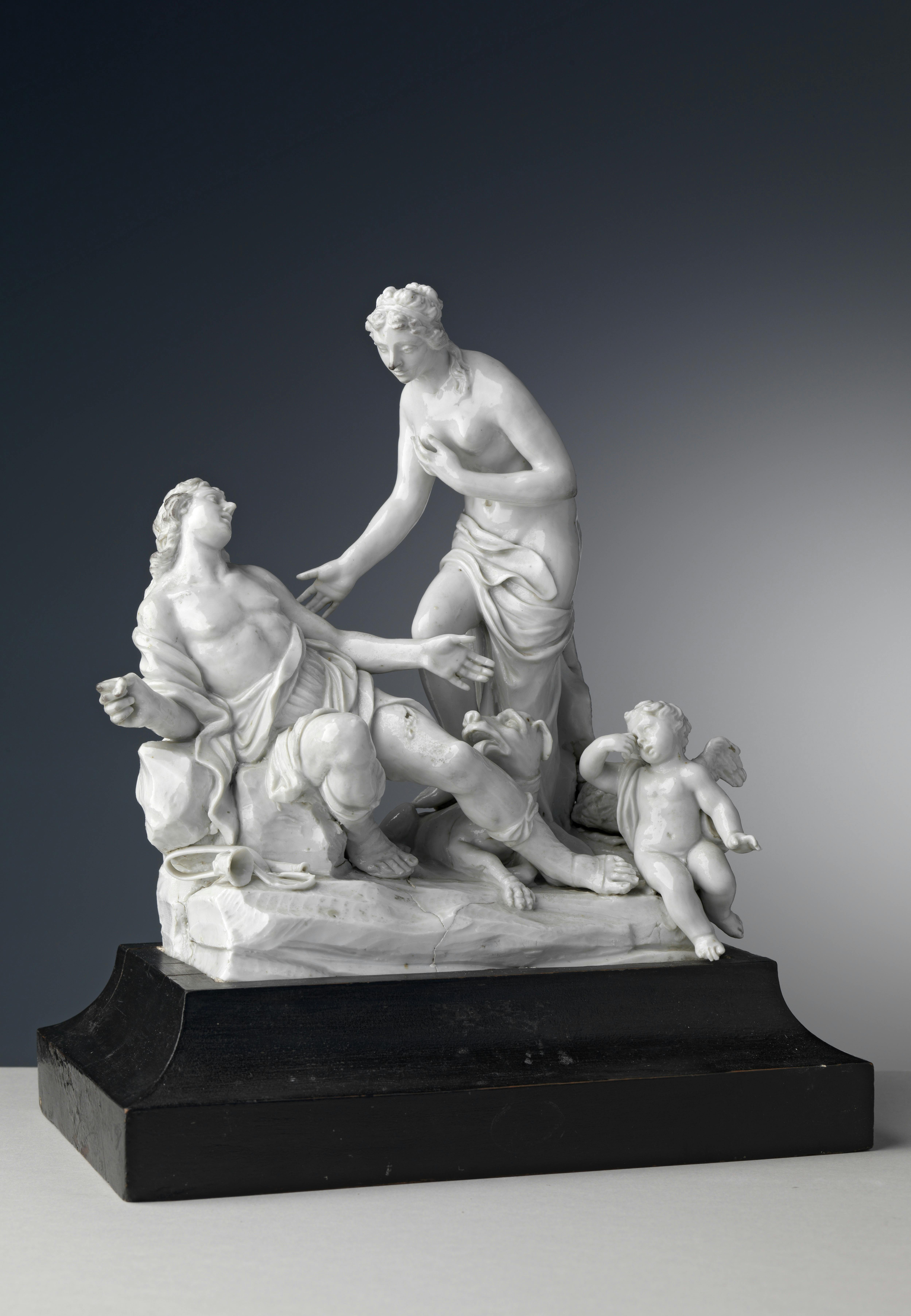
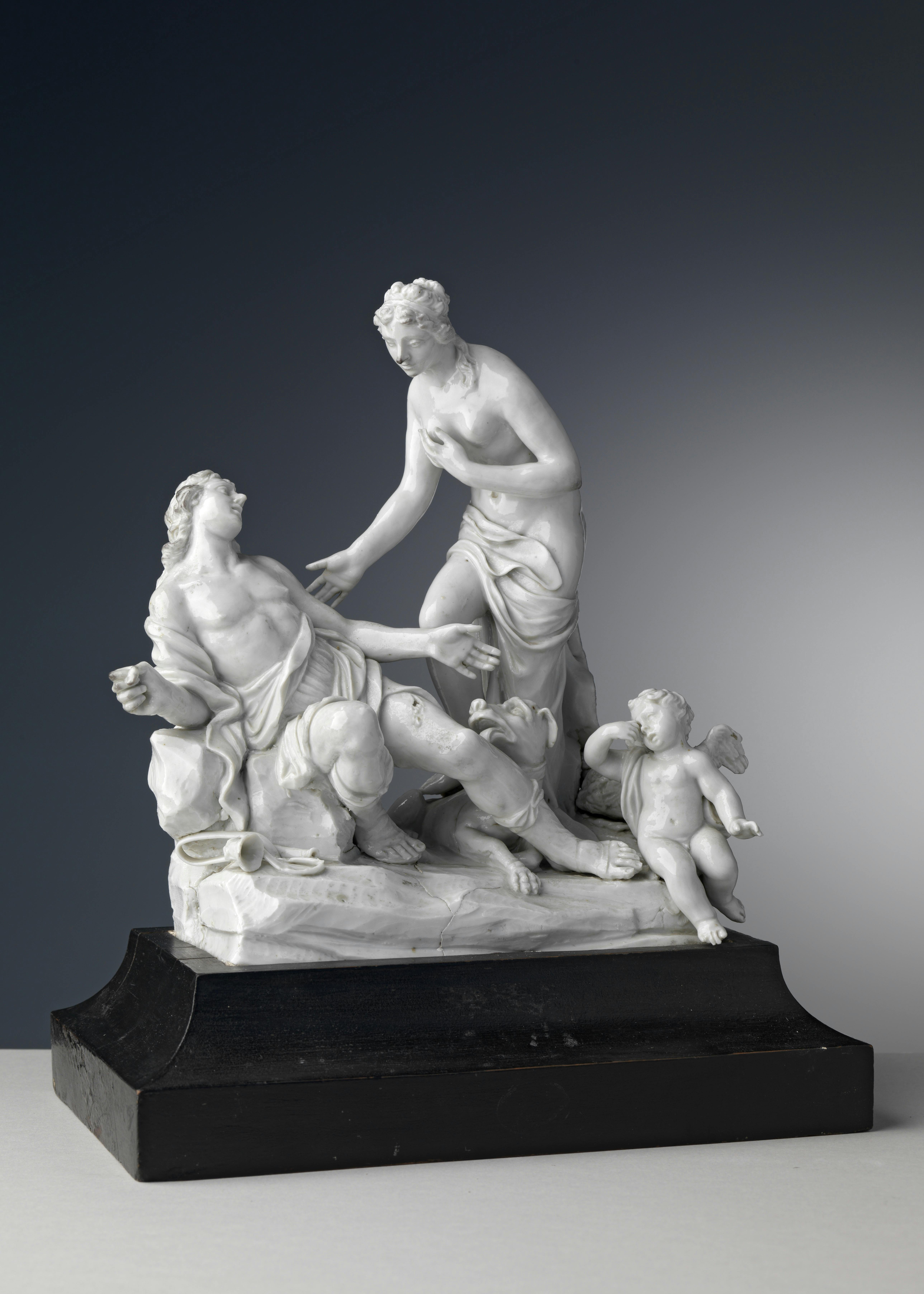
In the case of this piece, only the lion on the left of the composition appears to have been sectioned at the level of the lower limbs, clear evidence of its use by the manufactory to create a model which, although revised in the paw positioning, can plausibly be identified as that employed to produce the lion cubs supporting the medallions at the apex of the monumental Temple of the Glories of Tuscany. Donated in 1756 to the Etruscan Academy of Cortona by Ginori following his appointment as lucumon of the same, the Temple reached the academy post mortem in 1758, through his son Lorenzo.
- 01
Massimiliano Soldani Benzi, Drunken Bacchus, terracotta, circa 1695
- 02
Drunken Bacchus
Carlo Ginori’s interest in late Baroque Florentine sculptural production is confirmed by the collection of models acquired by the Doccia Manufactory in the eighteenth century and today preserved at the Ginori Museum. Some of these autograph models by master sculptors are particularly precious because they represent the only testimony to compositions of their invention to date. This is the case with the extraordinary quality terracotta group depicting the Drunken Bacchus Child modelled by Massimiliano Soldani Benzi in 1695 and donated by him to Marquis Clemente di Giulio Vitelli. Inherited by the latter’s nephew, it was sold by him to Carlo Ginori in 1752.
As in the case of the Sacrifice of Isaac modelled in terracotta by Giuseppe Piamontini, with interventions from the workshop, the Drunken Bacchus Child is also an example of pieces created to be translated into bronze and purchased by Marquis Carlo Ginori for “factory use,” that is, to be converted entirely or partially into porcelain.
In the case of this piece, only the lion on the left of the composition appears to have been sectioned at the level of the lower limbs, clear evidence of its use by the manufactory to create a model which, although revised in the paw positioning, can plausibly be identified as that employed to produce the lion cubs supporting the medallions at the apex of the monumental Temple of the Glories of Tuscany. Donated in 1756 to the Etruscan Academy of Cortona by Ginori following his appointment as lucumon of the same, the Temple reached the academy post mortem in 1758, through his son Lorenzo.