Lamentation over the Dead Christ (or Pietà)
From Massimiliano Soldani Benzi, with variations
On September 25, 1744, Carlo Ginori purchased from Ferdinando Soldani Benzi “a mold of a group representing a Pietà” conceived by his father Massimiliano, whose bronze version, currently kept at the Art Museum of Seattle, is to be identified as the Lamentation over the Dead Christ executed in 1713-1714 on commission from Duke Anton Maria Salviati.
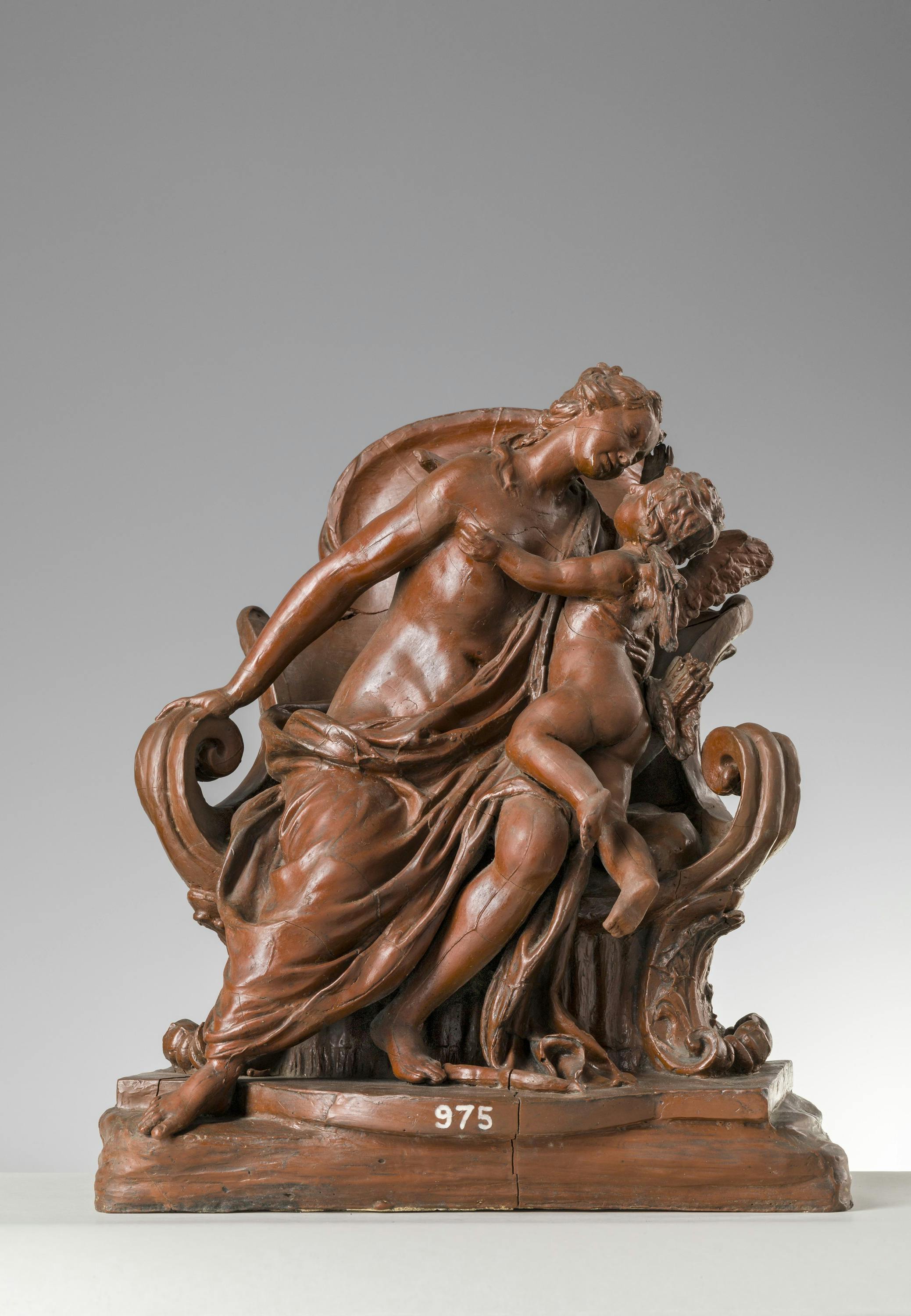
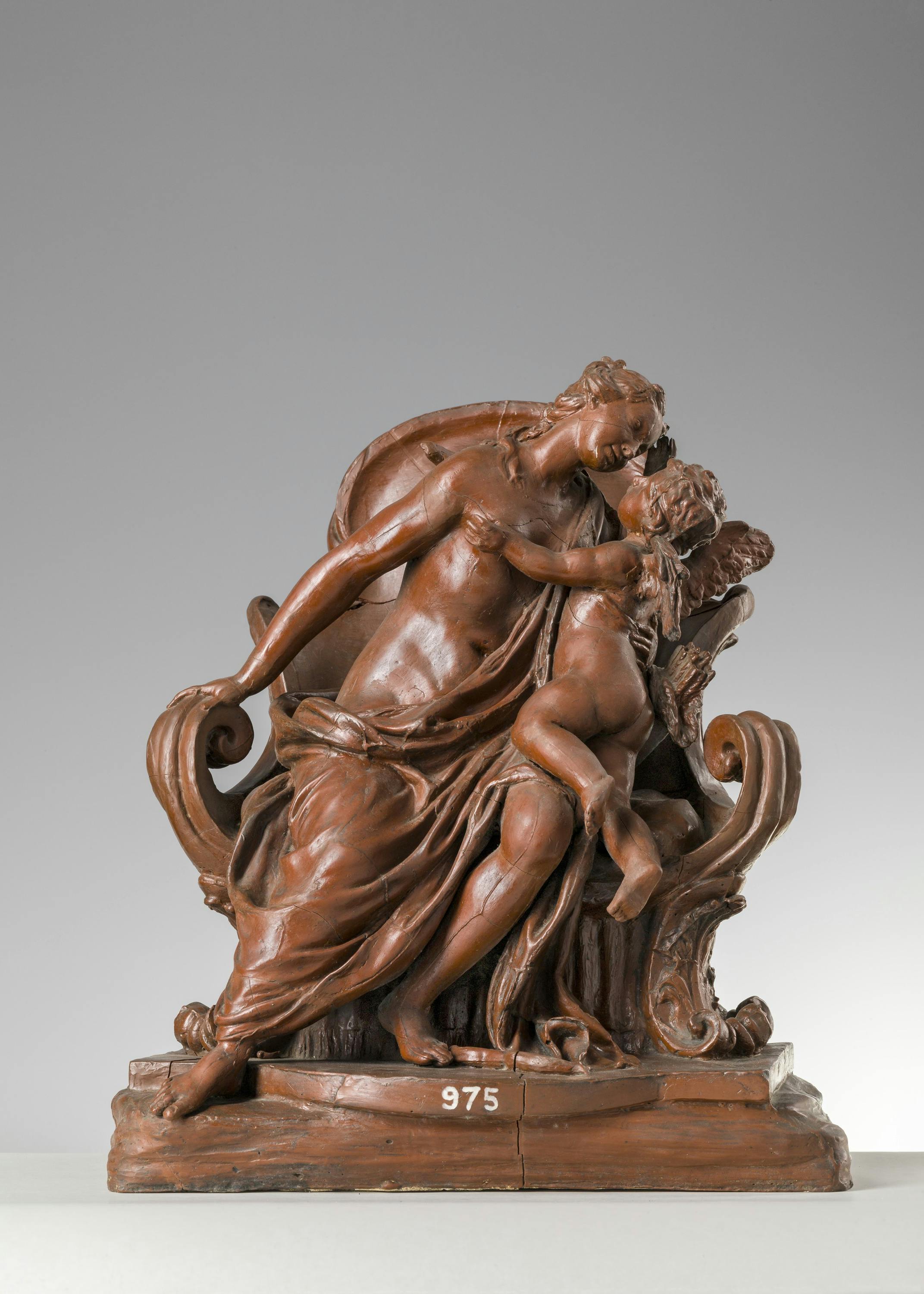
The wax cast preserved at the Ginori Museum was made by the manufactory using the aforementioned plaster molds acquired from the marquis. That it is a casting made at Doccia is evident from the dark red coloration, which distinguishes the manufactory’s wax models, and from the presence inside of a plaster core.
The production of a model in the factory served various production needs: it was used as inspiration for the creation of porcelain compositions devised at Doccia, or as a reference for assembling individual parts in the porcelain versions of the group.
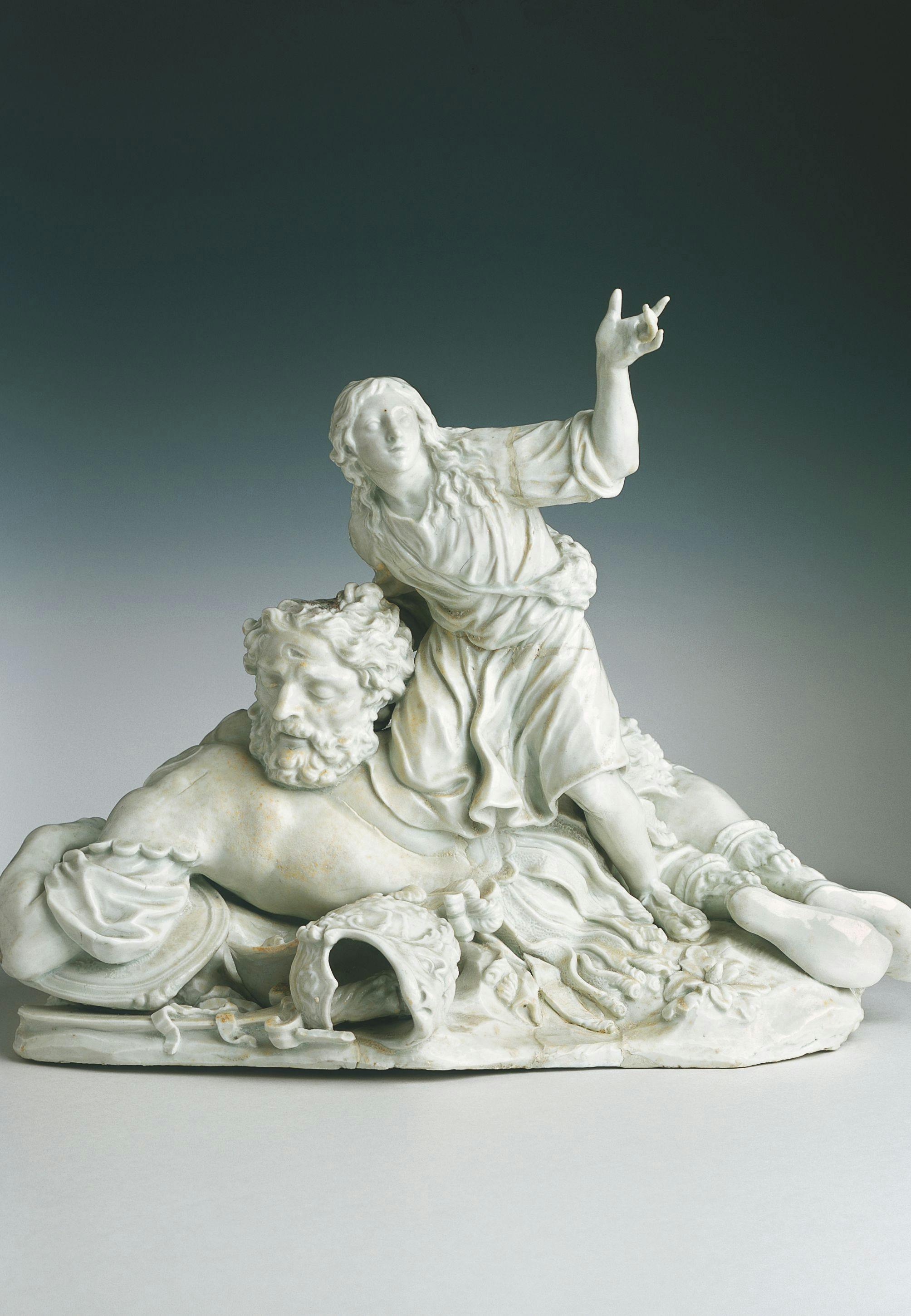
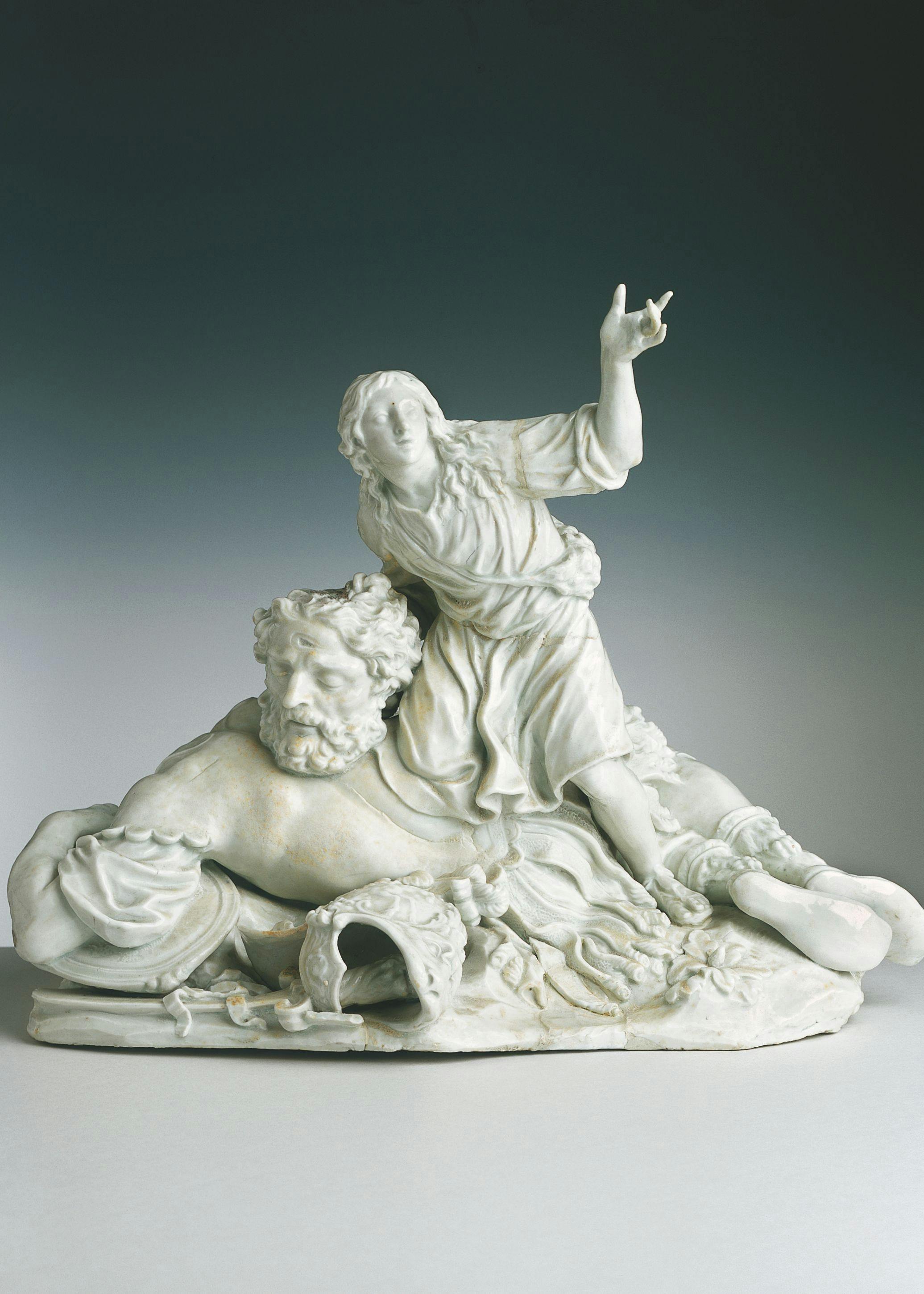
The first porcelain translation of the Pietà, produced under the supervision of the factory’s chief modeller Gaspero Bruschi, was nearing completion in March 1745. This specimen is to be identified with the one preserved at Palazzo Corsini in Florence, a gift from Carlo Ginori to Cardinal Neri Corsini. However, this is not the only example made at Doccia using Soldani’s original molds. In fact, two other polychrome painted versions are known, one preserved at the Los Angeles County Museum of Art and the other at the National Museum in Stockholm.
- 01
On September 25, 1744, Carlo Ginori purchased from Ferdinando Soldani Benzi “a mold of a group representing a Pietà” conceived by his father Massimiliano, whose bronze version, currently kept at the Art Museum of Seattle, is to be identified as the Lamentation over the Dead Christ executed in 1713-1714 on commission from Duke Anton Maria Salviati.
The wax cast preserved at the Ginori Museum was made by the manufactory using the aforementioned plaster molds acquired from the marquis. That it is a casting made at Doccia is evident from the dark red coloration, which distinguishes the manufactory’s wax models, and from the presence inside of a plaster core.
The production of a model in the factory served various production needs: it was used as inspiration for the creation of porcelain compositions devised at Doccia, or as a reference for assembling individual parts in the porcelain versions of the group.
The first porcelain translation of the Pietà, produced under the supervision of the factory’s chief modeller Gaspero Bruschi, was nearing completion in March 1745. This specimen is to be identified with the one preserved at Palazzo Corsini in Florence, a gift from Carlo Ginori to Cardinal Neri Corsini. However, this is not the only example made at Doccia using Soldani’s original molds. In fact, two other polychrome painted versions are known, one preserved at the Los Angeles County Museum of Art and the other at the National Museum in Stockholm.